Tokyo, Kyoto, Osaka, Hiroshima — the country that rewired how I think about systems, looped at five seconds a scene.
4 cities · 13 scenes · no audio
Tokyo → Kyoto → Osaka → Hiroshima
I build planning systems for a living. I went to Japan and found a country that treats reliability as a culture, not a metric — the train that arrives at 9:14 and is at 9:14, the queue that organizes itself without a rope. This is the arc I travelled: the neon past, the composed present, the loud kitchen, the remembered wound.
Every scene below is a five-second loop, generated by the video pipeline I built. No audio, no voiceover — just the frames, in the order I saw them.
◎
Theroute—fourcities,onearchipelago
01 Tokyo02 Kyoto03 Osaka04 Hiroshima
01
Tokyo
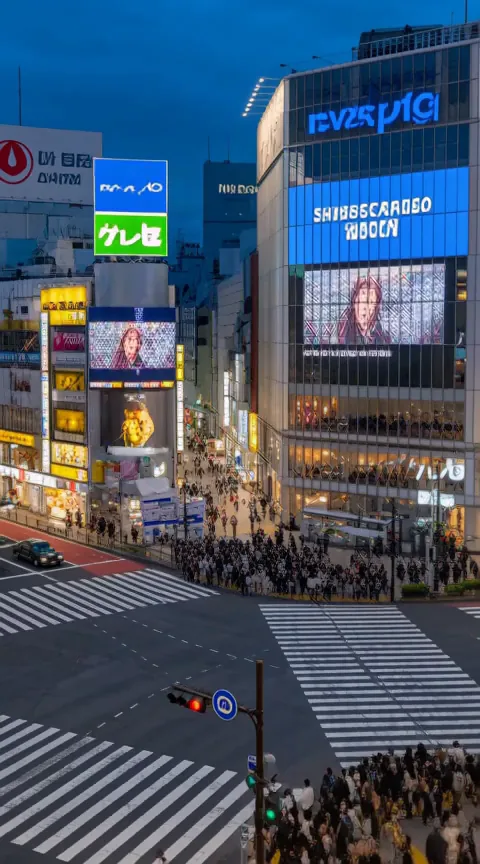
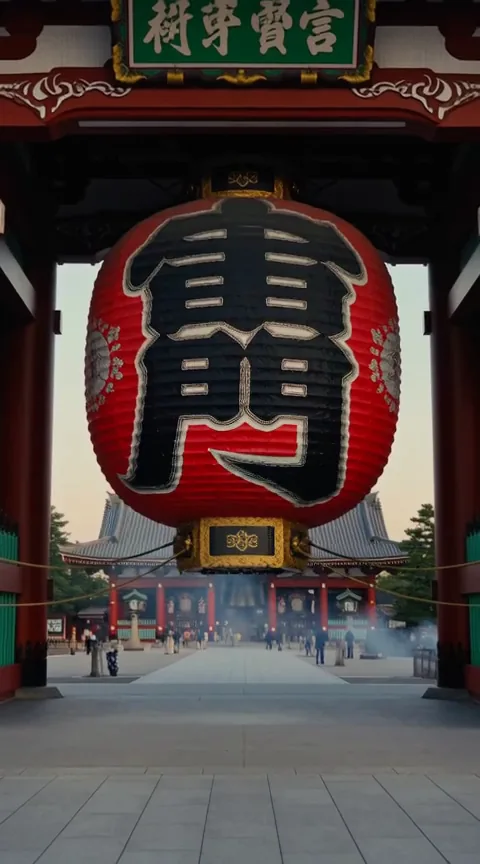
Contrast chapter — neon future vs paper-lantern past: Shibuya's electric energy against Sensō-ji's incense calm, old and new caught in single frames.
The future got neon. The past kept lanterns.
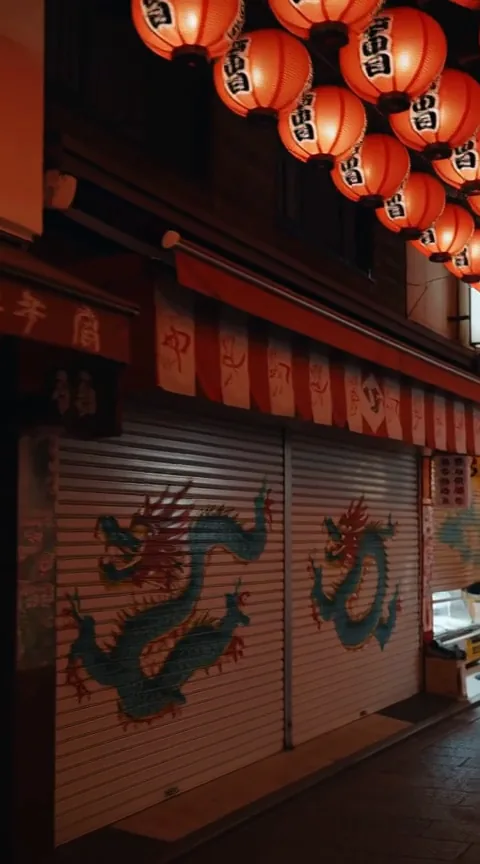
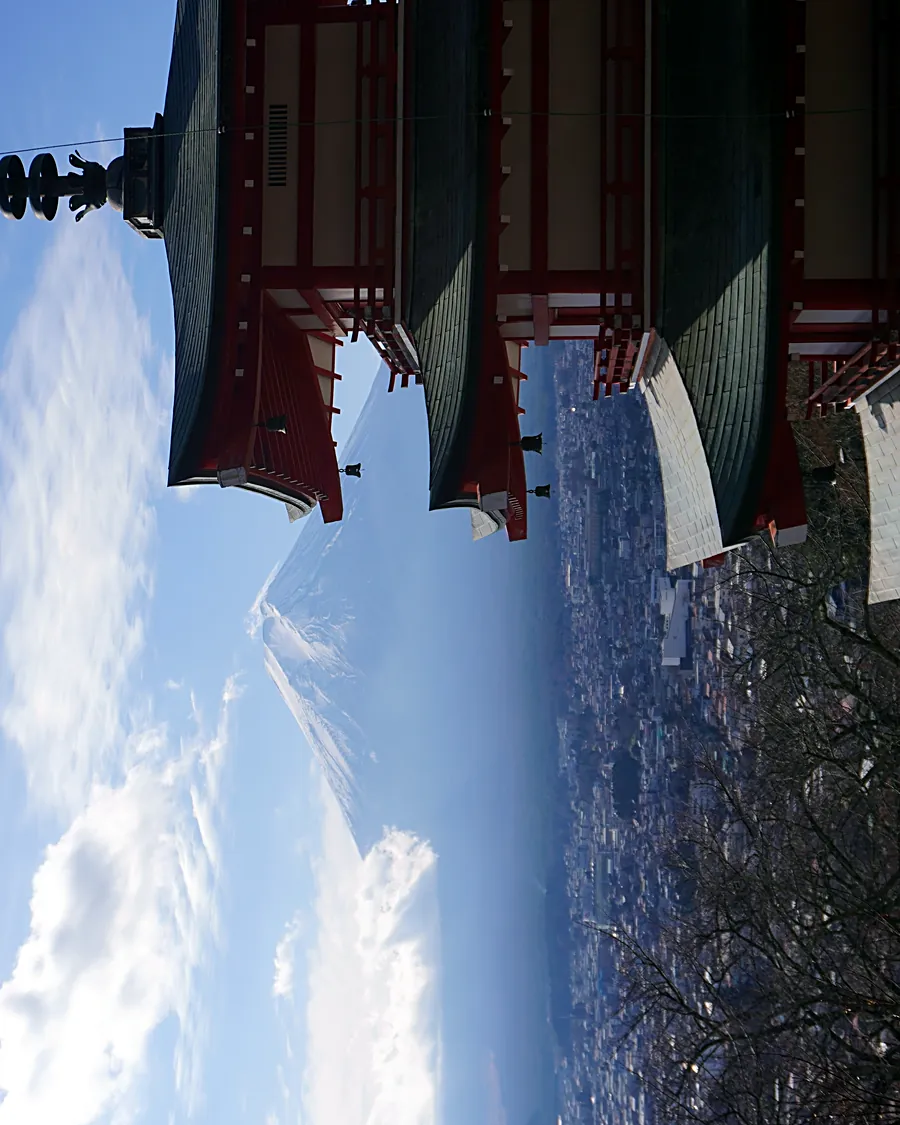
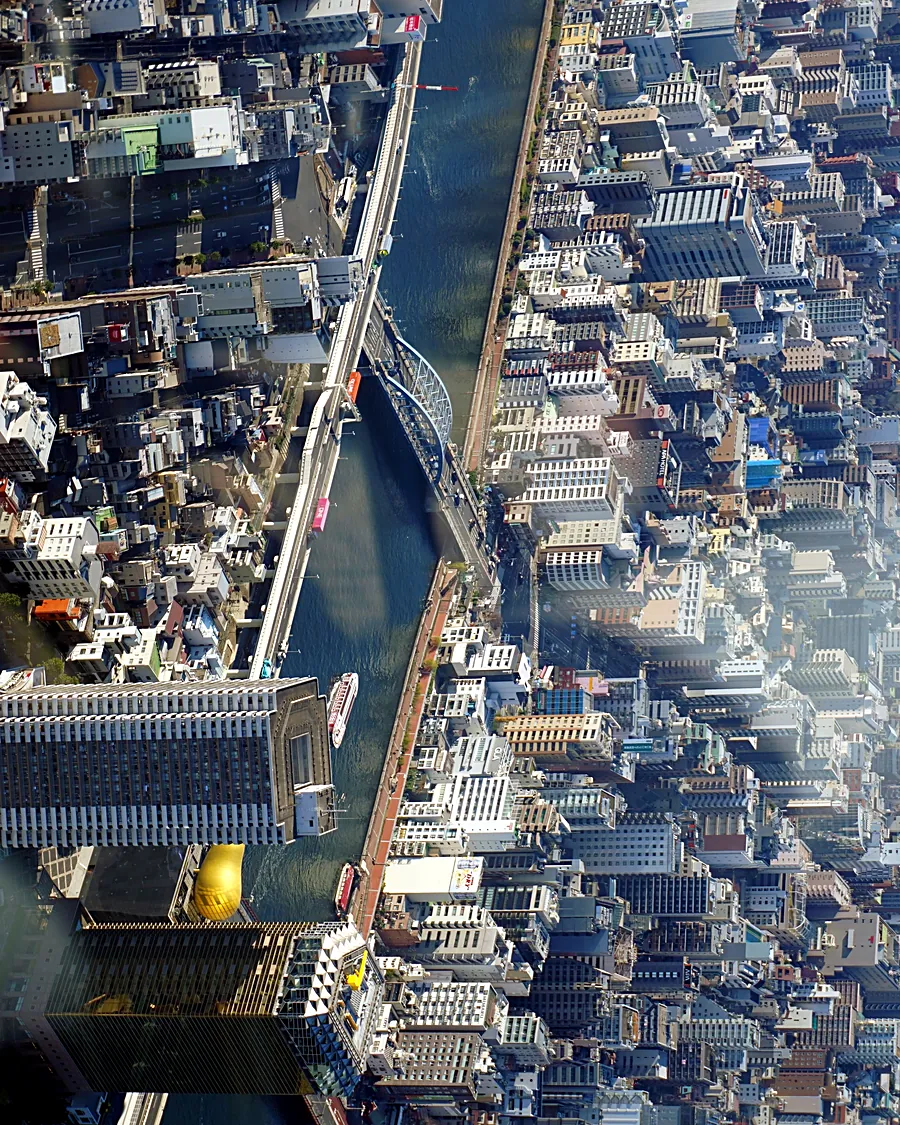
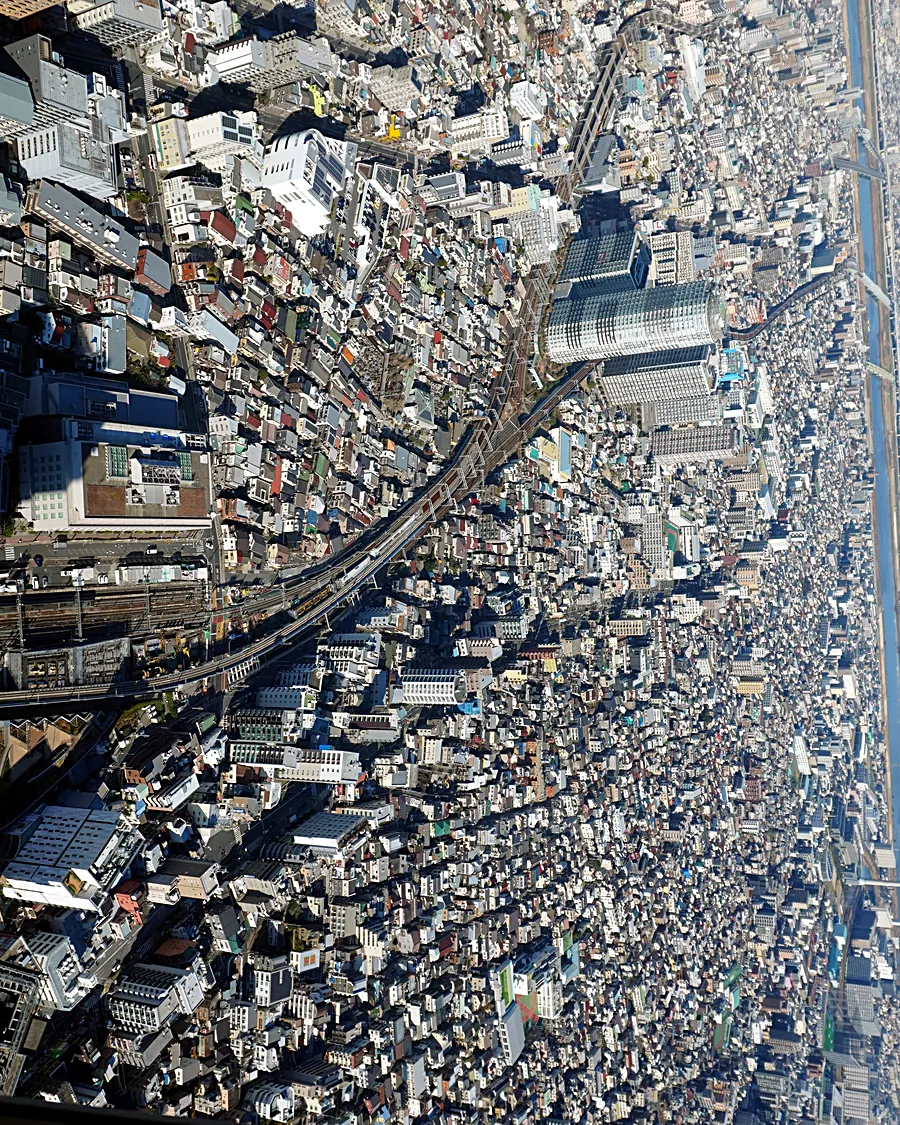
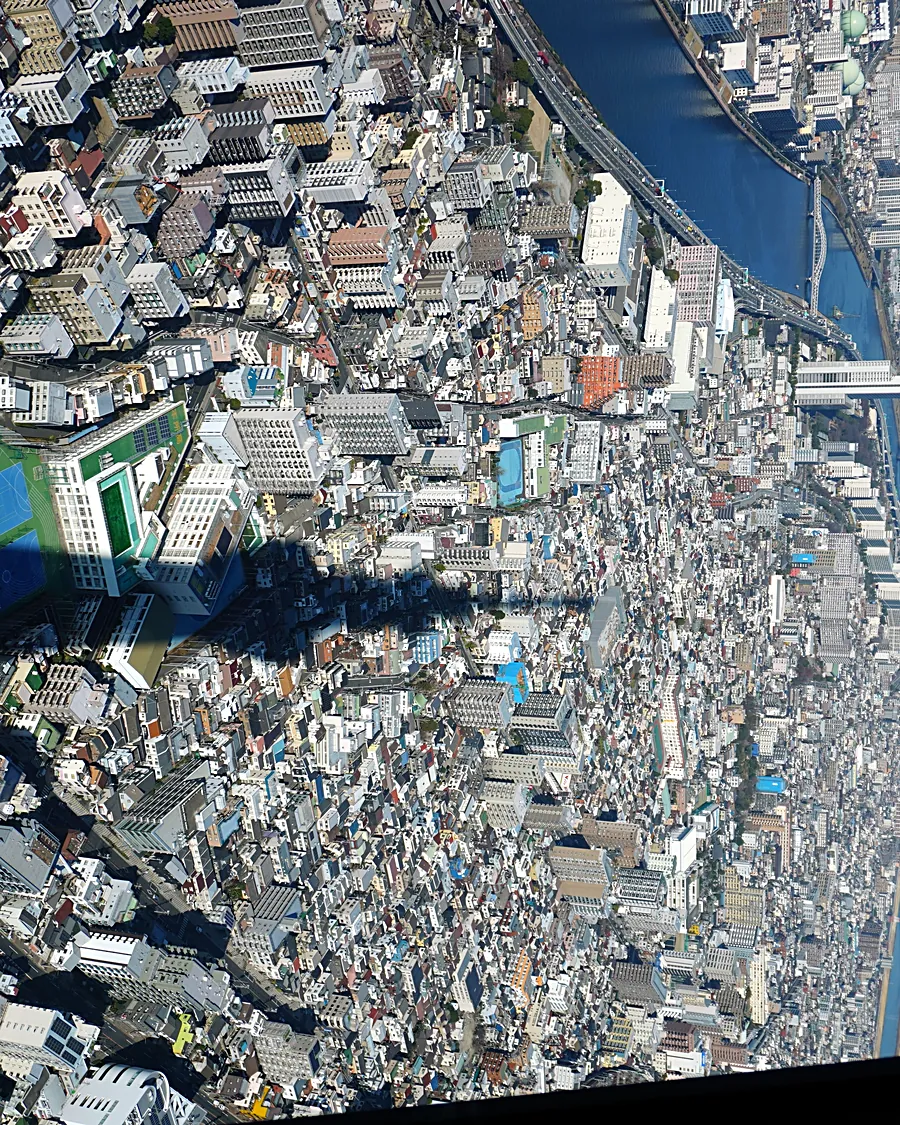
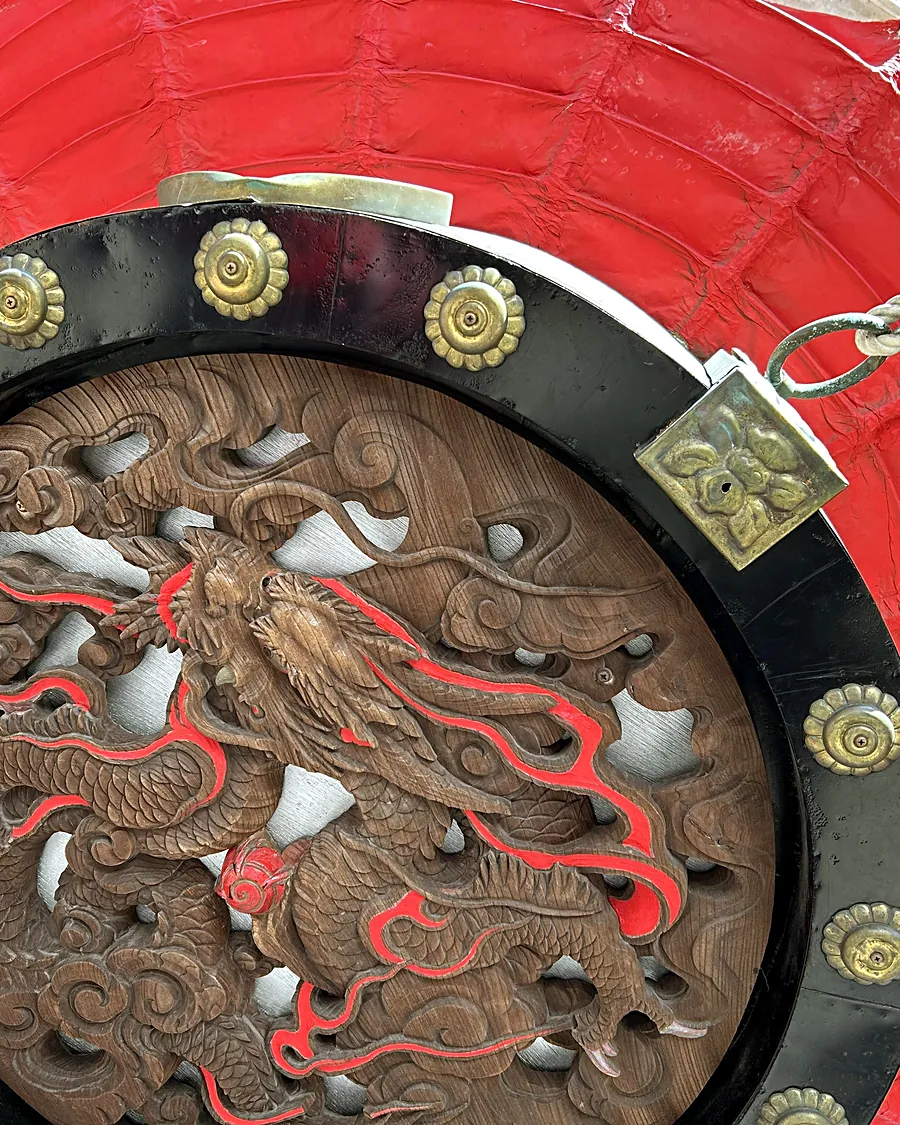
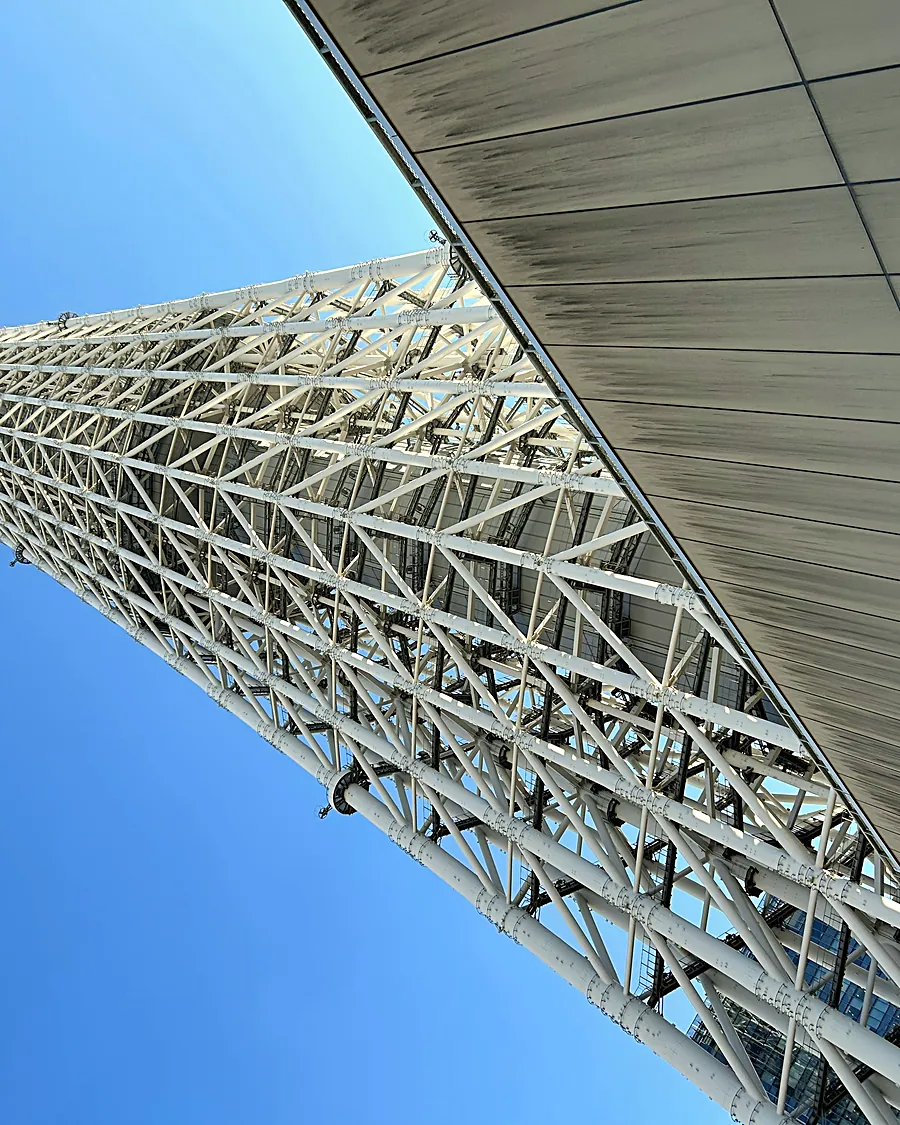
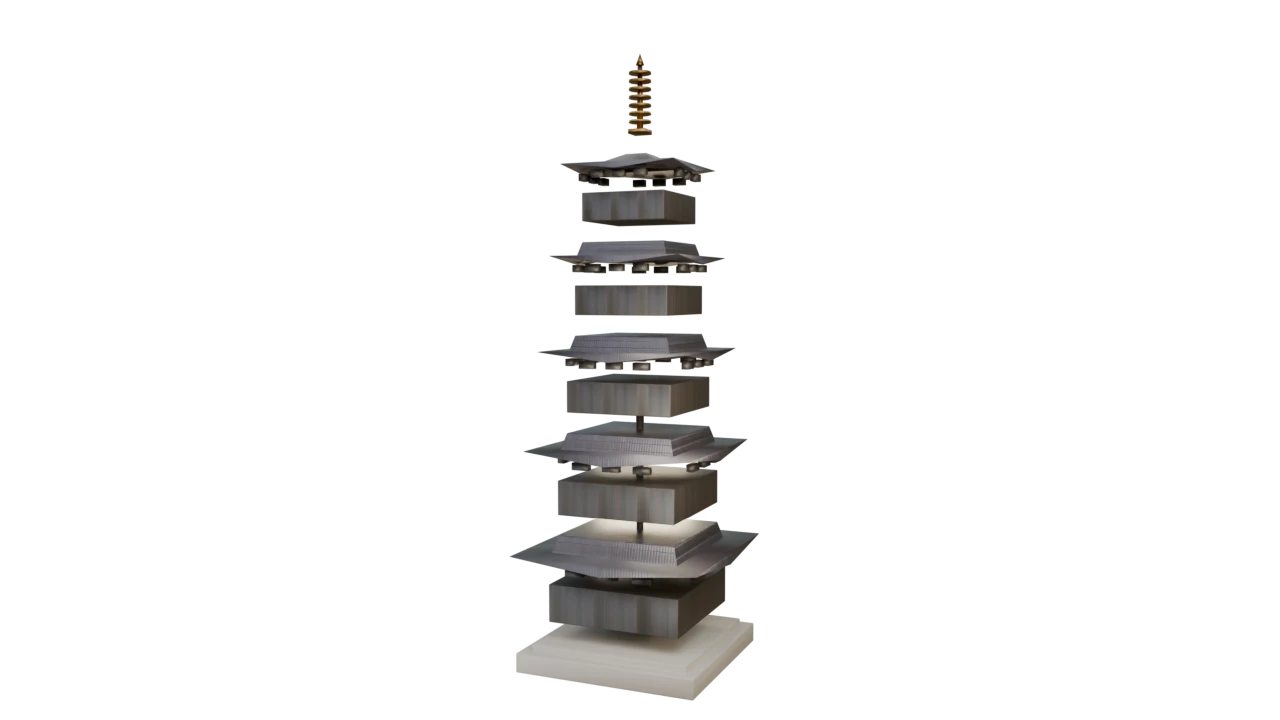
The train arrived at 9:14 and it was 9:14. Not roughly. I spent the first morning at Sensō-ji before the crowds — the great lantern glowing over an empty approach, a street sweeper the only other person in frame. Five hundred years of temple, two hundred metres of lantern-lit stalls, and beyond the pagoda, the Skytree: the whole city's relationship with time in one sightline.
Then Shibuya. Eight hundred people crossing in every direction on a timer that exists to let them. The scramble is usually photographed as chaos; it is choreography — the same invisible coordination as the 9:14 train, just wearing neon.
Tokyo does not choose between old and new. It runs both at once, and the scheduling is flawless.
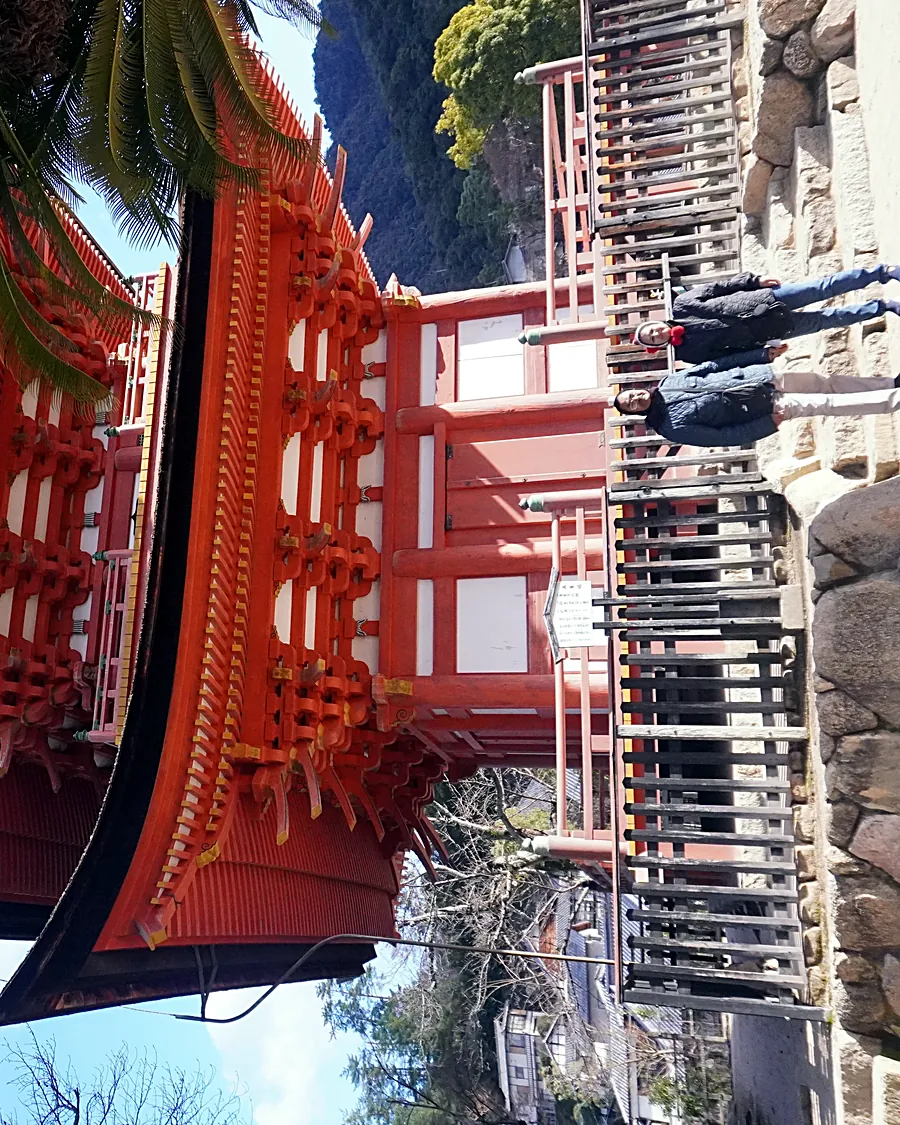
Sensō-ji's pagoda, pulled apart
02
Kyoto
Restraint made visible — the torii tunnel, the mirrored pavilion, the bamboo grove, the tea bowl; a city that edits itself.
Stillness, composed.
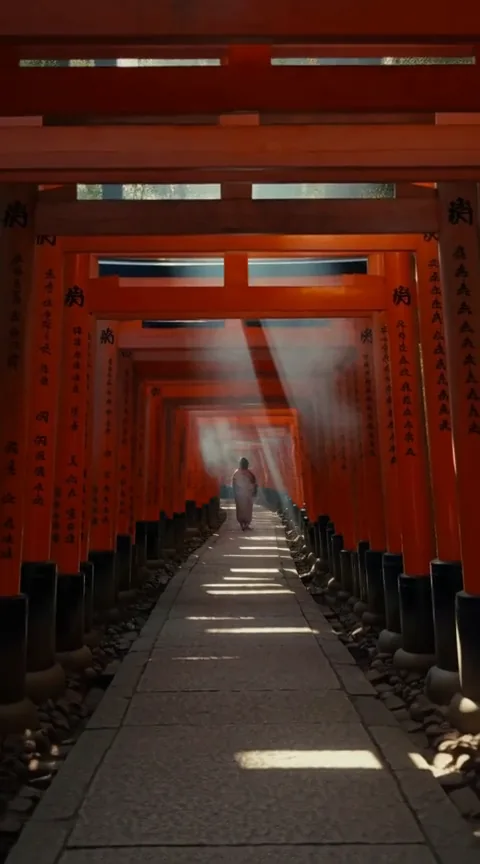
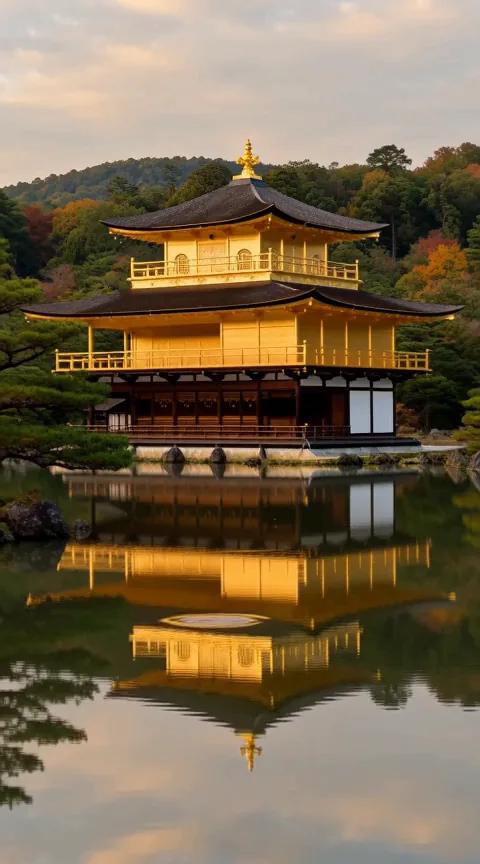
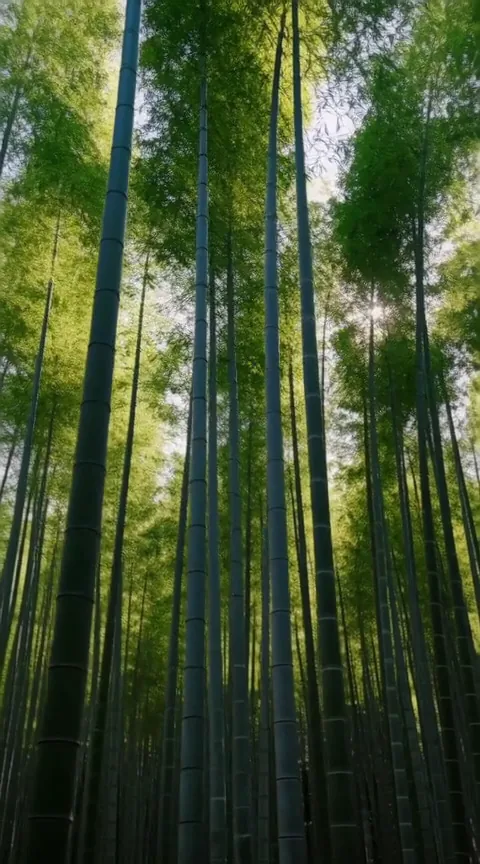
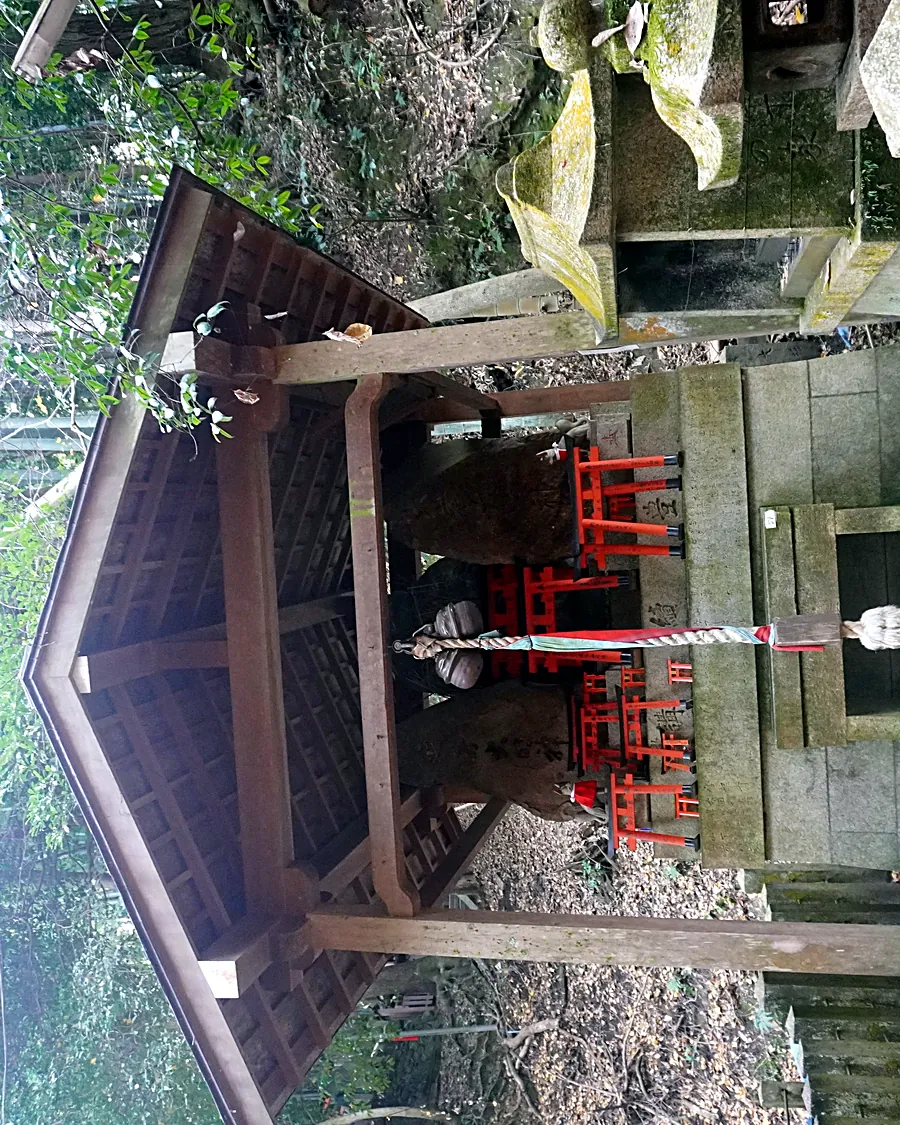
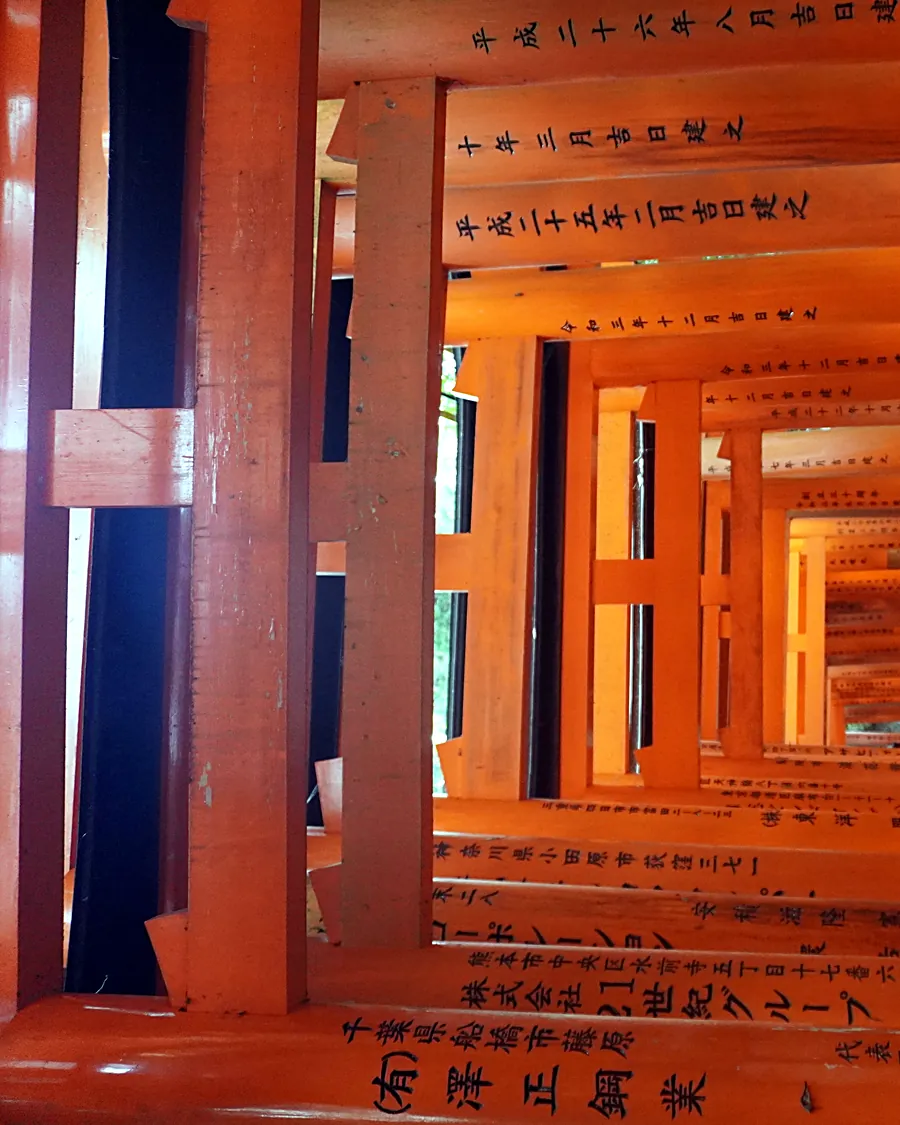
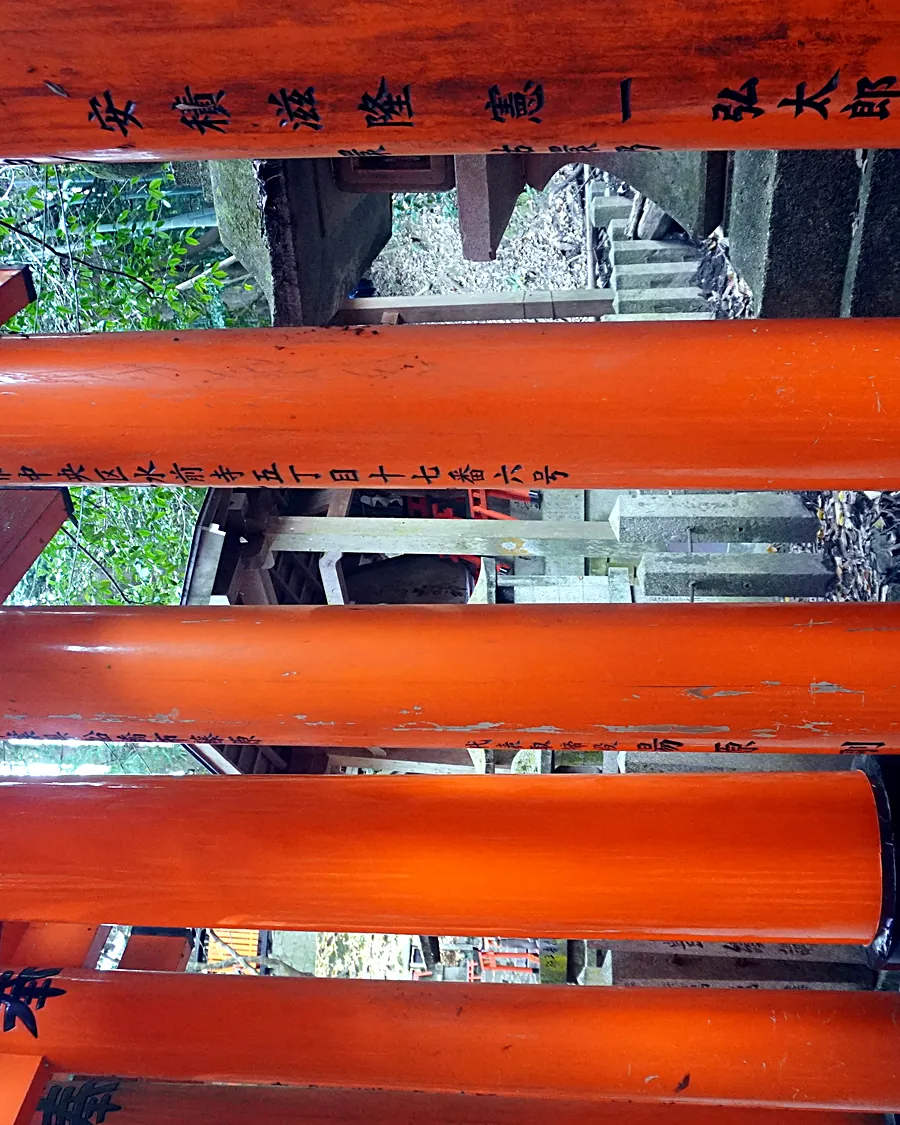
Kyoto is what Tokyo would look like if it only kept the sentences it meant. The torii tunnel at Fushimi Inari edits the walk into a thousand red gates of repetition; Kinkaku-ji mirrors itself in the pond and calls it done; the bamboo grove at Arashiyama does nothing but stand at the right spacing. Nothing is loud. Everything is chosen.
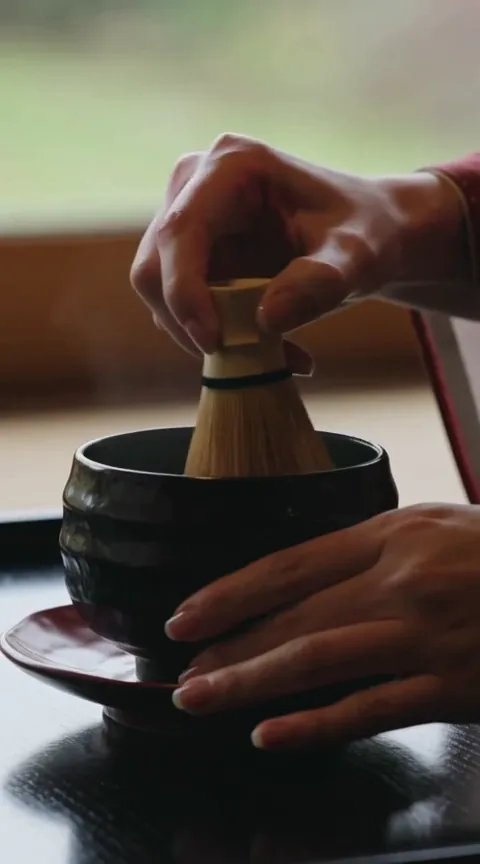
In the tea ceremony, the same hands have poured the same way for decades — not because nothing changed, but because the ritual was decided once and stopped being second-guessed. I thought of my planning work: how much of it is deciding, and how much is just refusing to move?
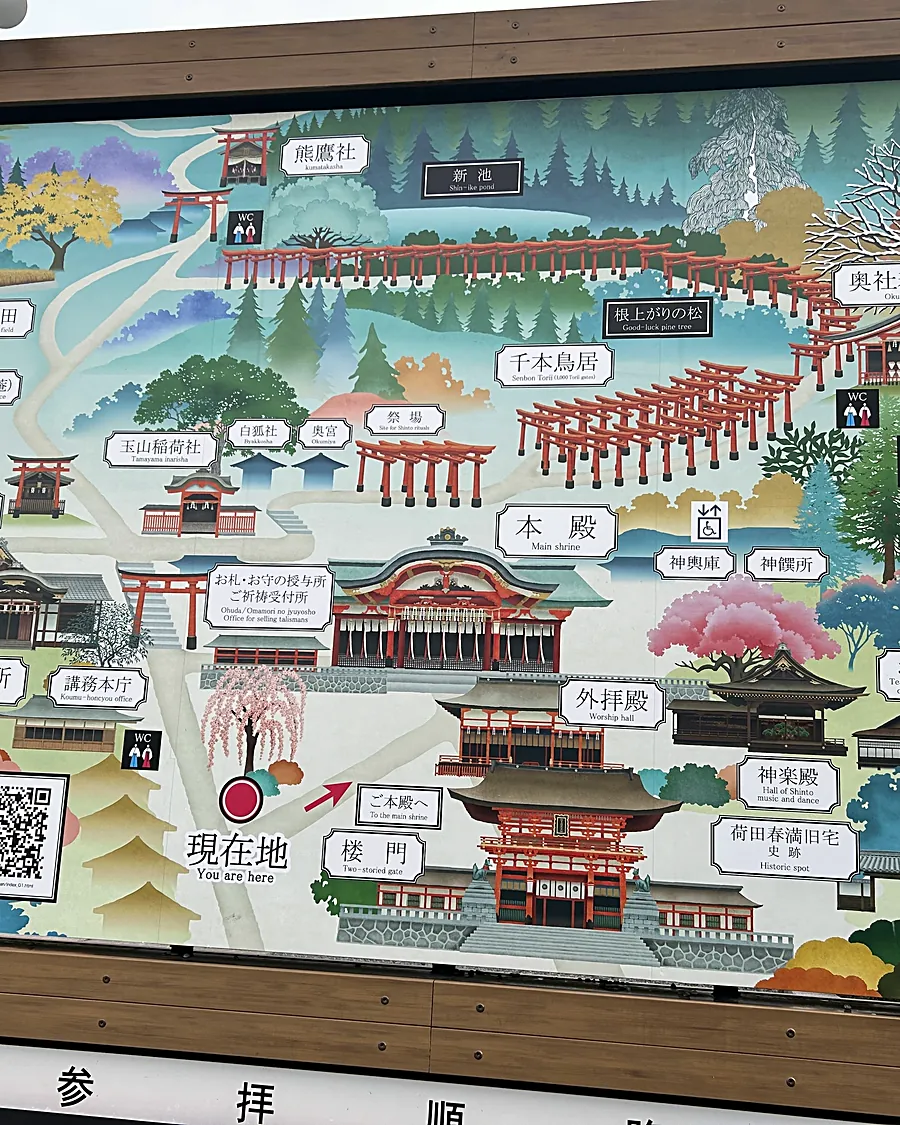
Fushimi Inari Taisha(伏見稲荷大社)
Kinkaku-ji(金閣寺)
Arashiyama Bamboo Grove(竹林の小径)
Tea ceremony, Urasenke tradition
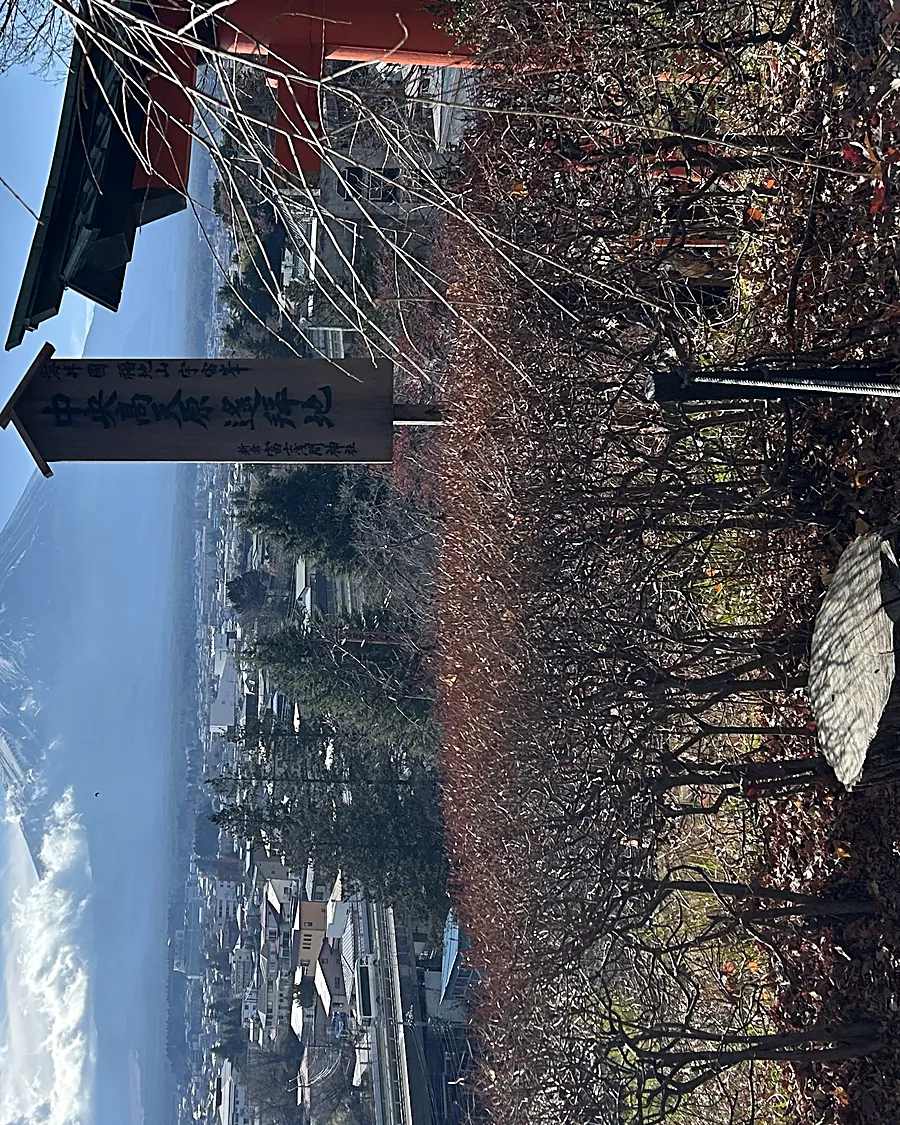
Tō-ji's pagoda, pulled apart
03
Osaka
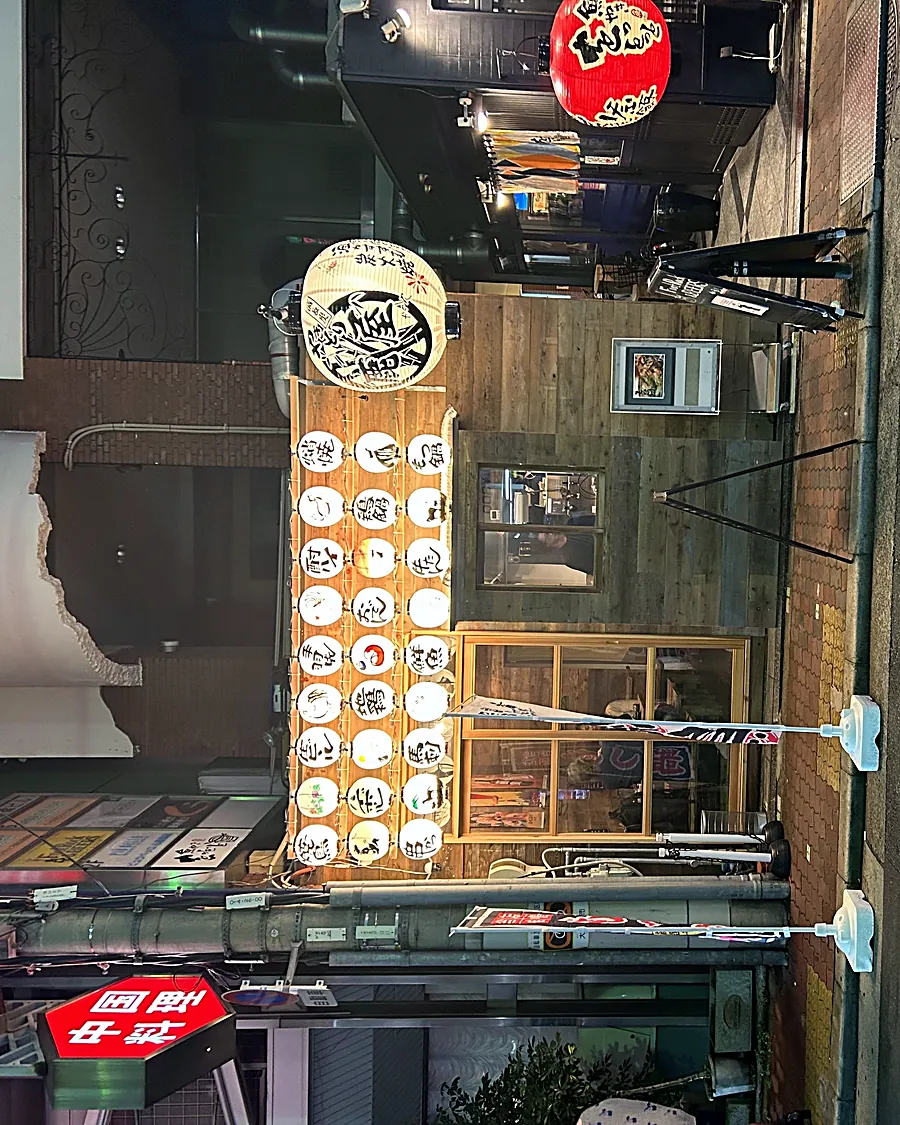
Japan's kitchen — food, energy, Dotonbori neon, people's city. The loud, generous counterpoint to Kyoto's hush.
Kuidaore — eat till you drop.
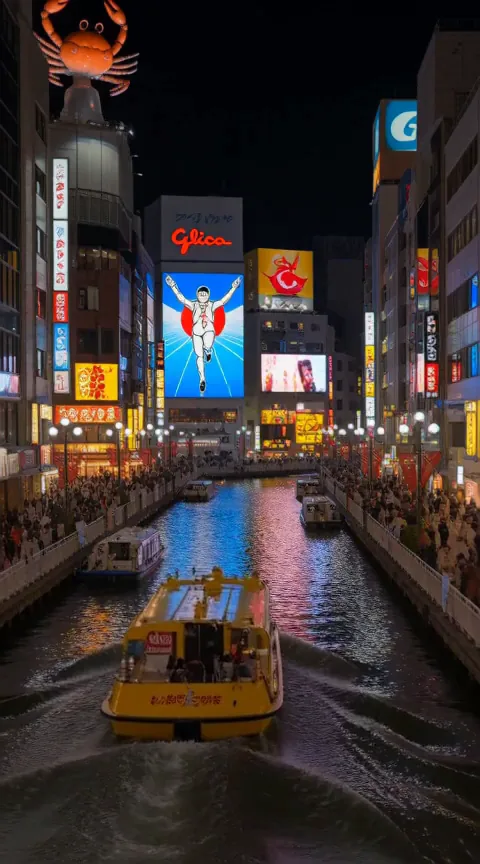
If Kyoto is restraint, Osaka is the wok. Kuromon market at first light: tuna cut to order, knives in use before 7am. Dotonbori by night is a different economy — the Glico runner, the neon crabs, crowds moving like Shibuya's but with more laughter. The city's word for itself is kuidaore: ruin yourself on good food.
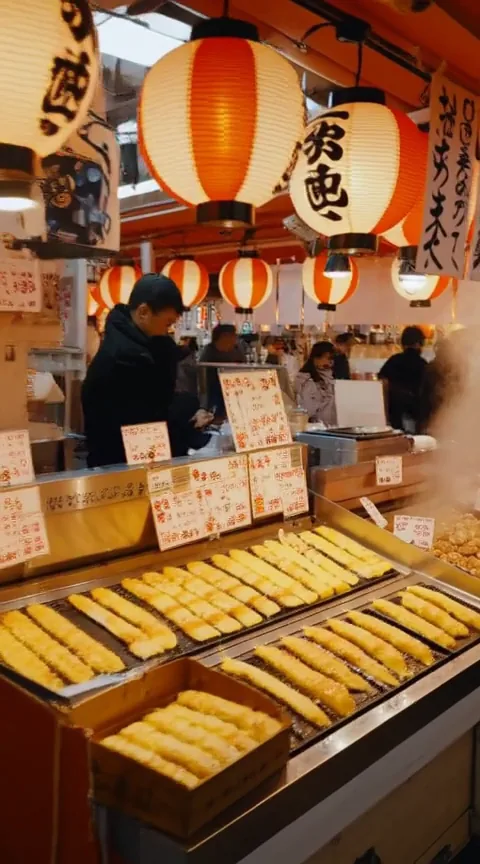
The shokunin idea is loudest here, where it looks least like craft: a takoyaki cook at a stall, barely looking up, handing you something perfect off a smoking iron. Mastery as devotion, not ambition — the most foreign idea I brought home.
Dōtonburi canal(道頓堀) and Ebisubashi (えびす橋)
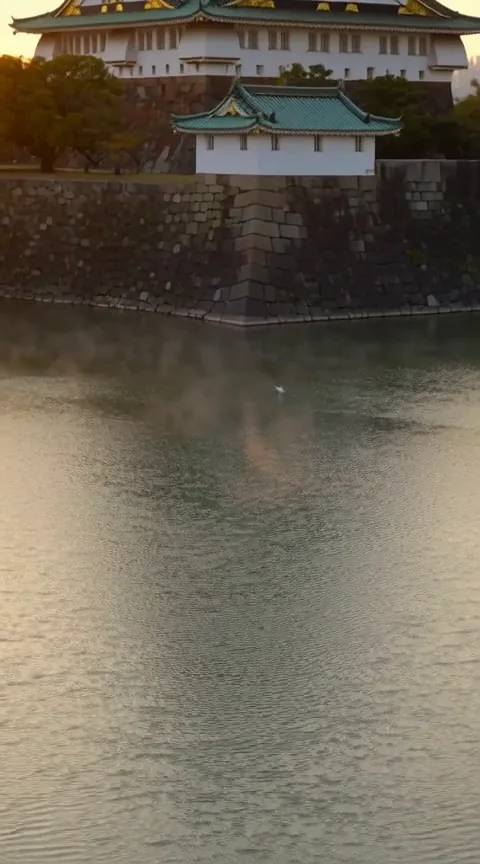
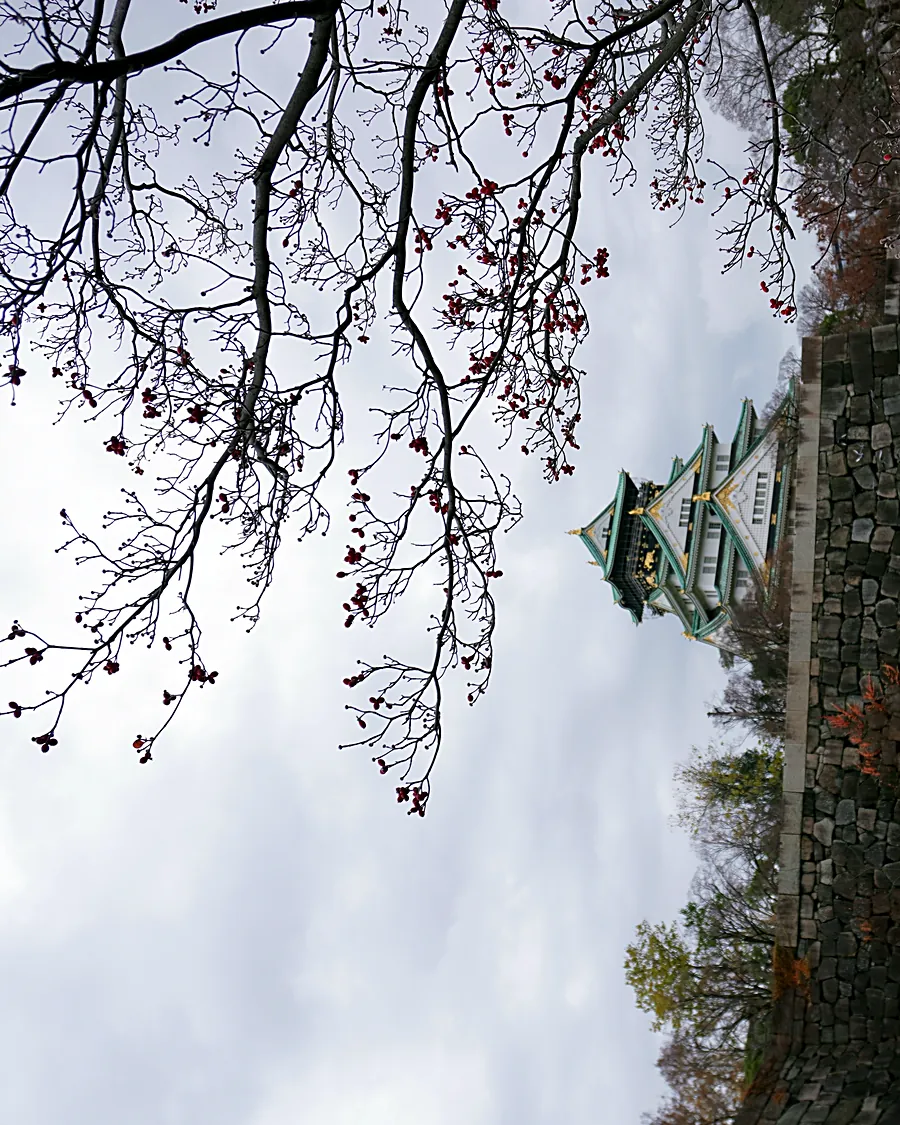
Osaka Castle(大阪城), Chūō-ku
Kuromon Ichiba Market(黒門市場), Nipponbashi
04
Hiroshima
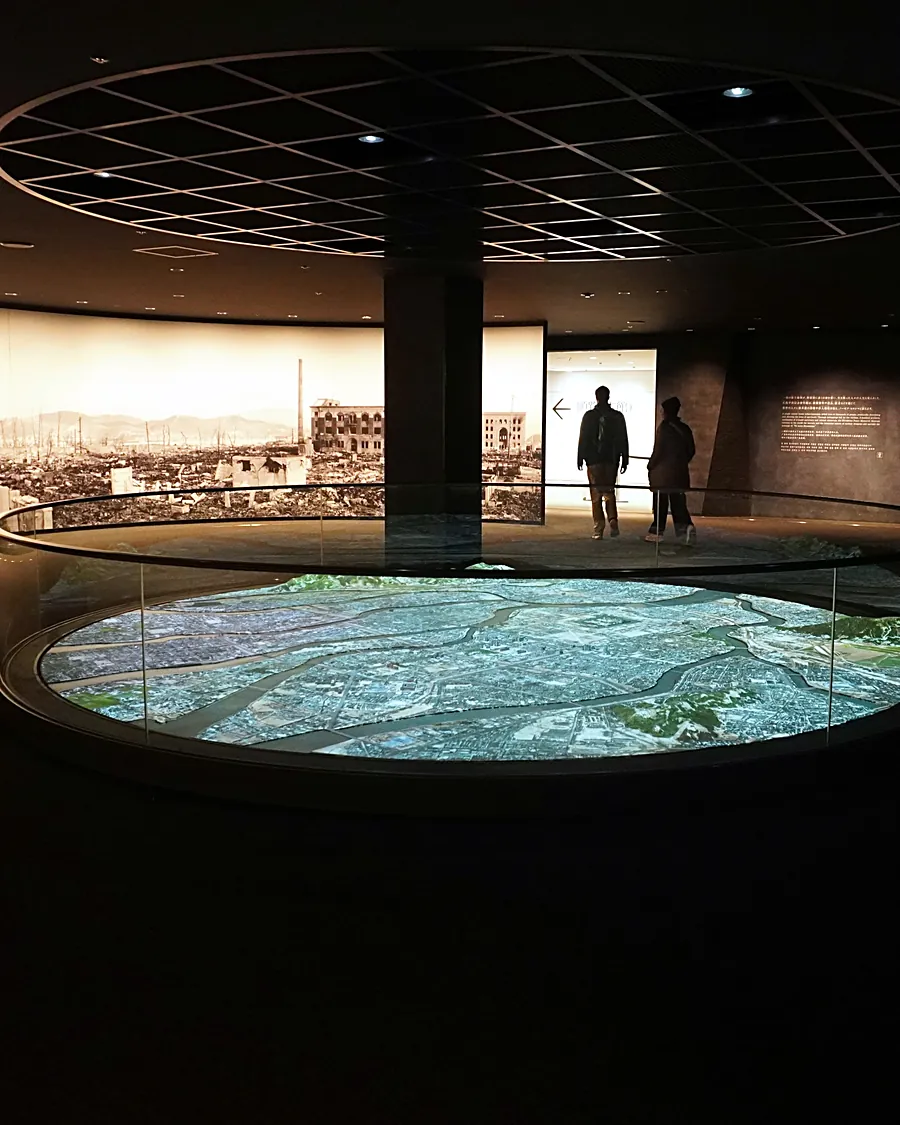
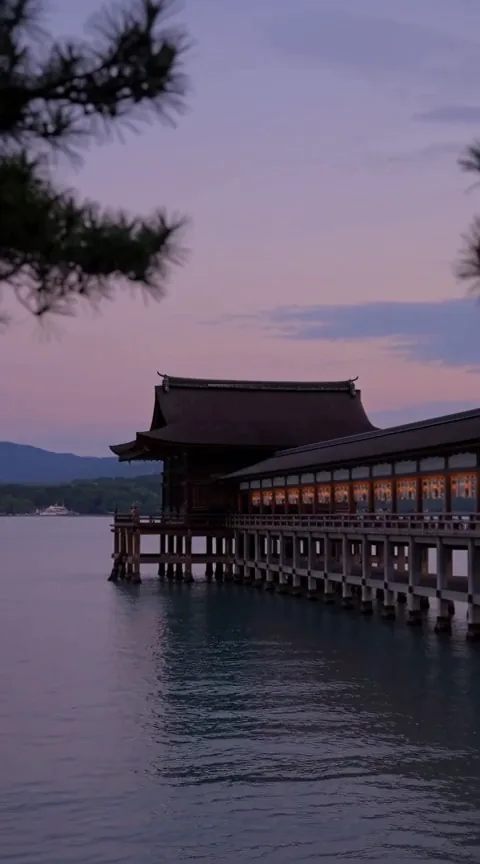
Peace and memory — the A-Bomb Dome and the cenotaph hold the grief, the paper cranes hold the wish, Miyajima offers stillness, and the rebuilt streetcars and arcade prove the city chose life.
The city that chose to remember.
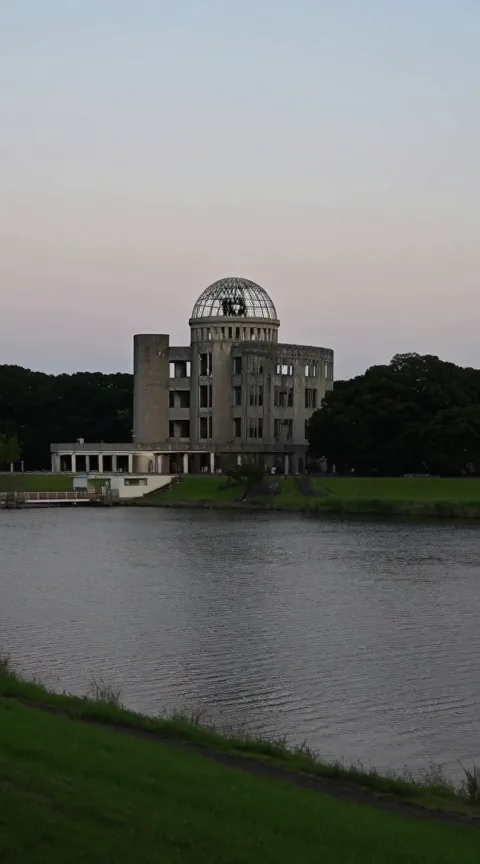
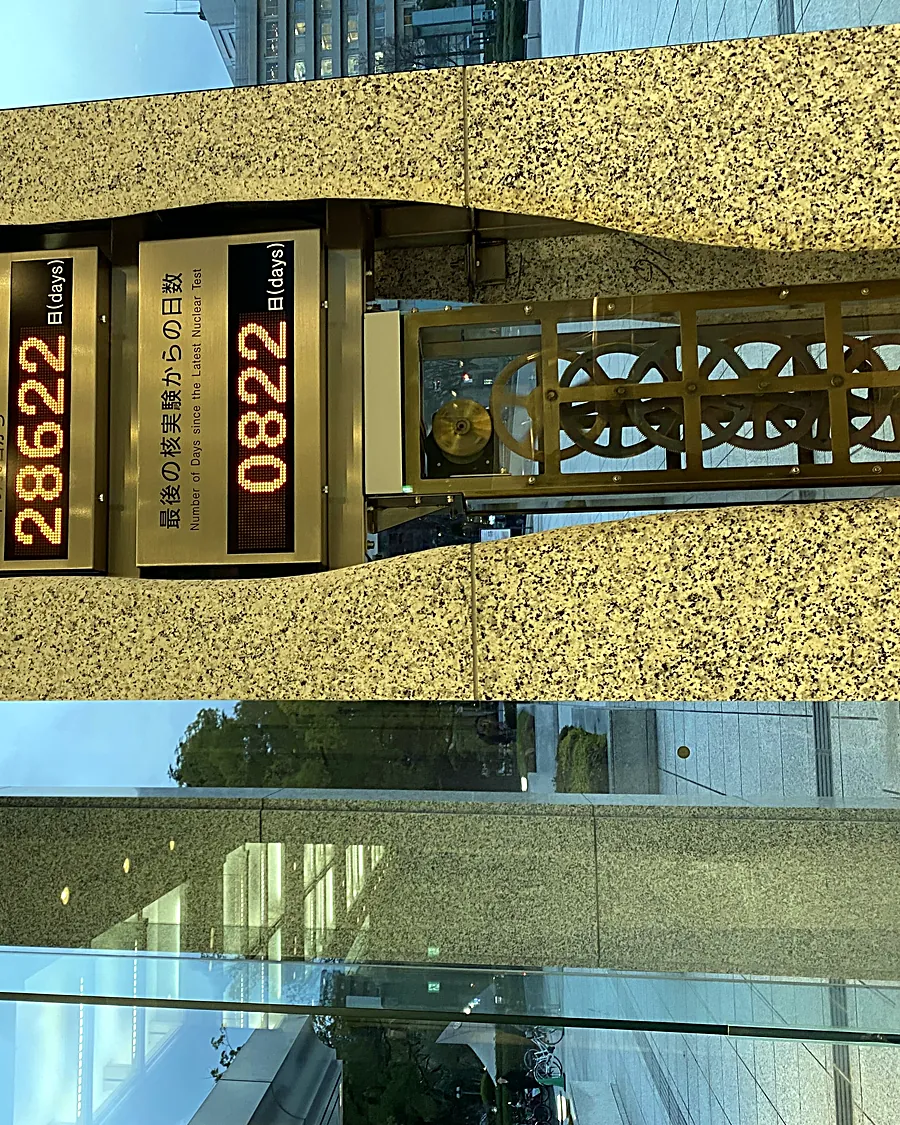
The A-Bomb Dome is left exactly as the blast left it, floodlit at night across the river. Beside it the cenotaph; around it the paper cranes — a million of them, folded by children who will never meet the people they honour. Hiroshima does not try to move past August 6. It built its civic identity on remembering it.
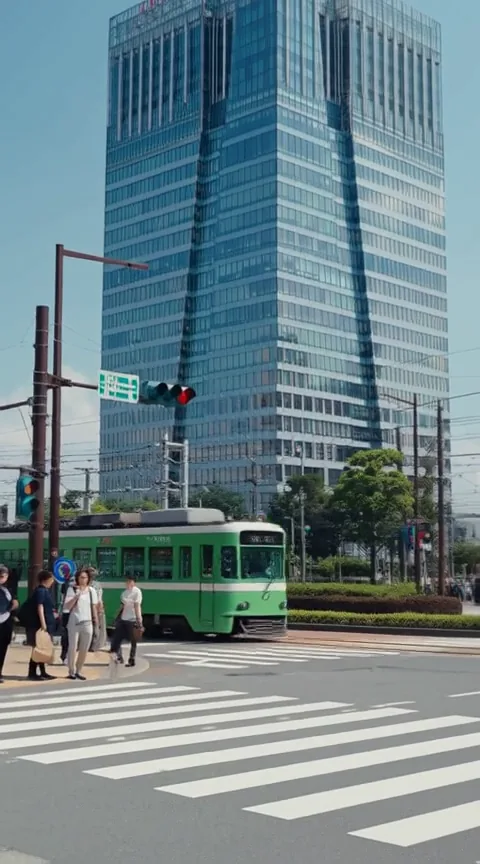
And the streetcars still run. The same line, the same boulevard, rebuilt and punctual. The arcade is full, the market works — the city chose life without agreeing to forget. That is the most deliberate design decision I have ever stood inside.
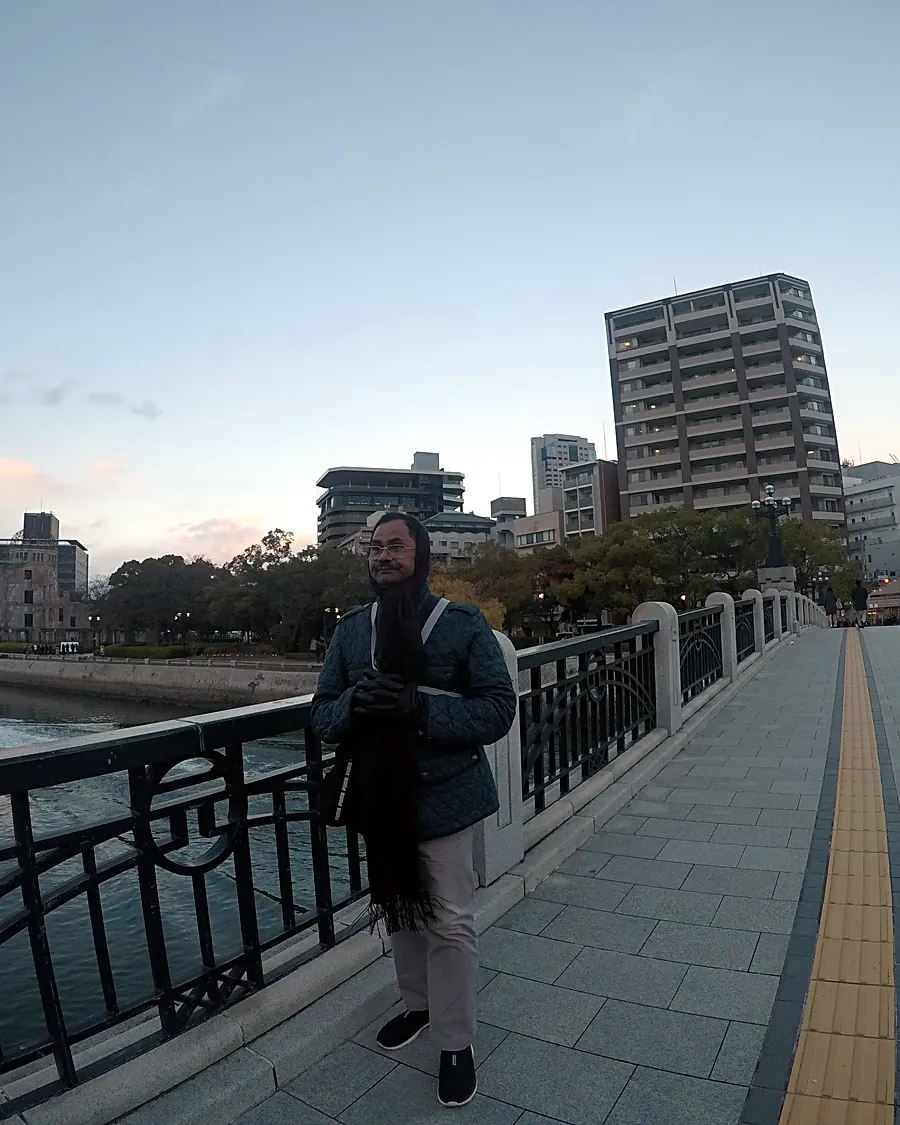
Genbaku Domu(原爆ドーム, A-Bomb Dome) across the Motoyasu River
Hiroden streetcar(広島電鉄), Heiwa Odori (平和大通り)
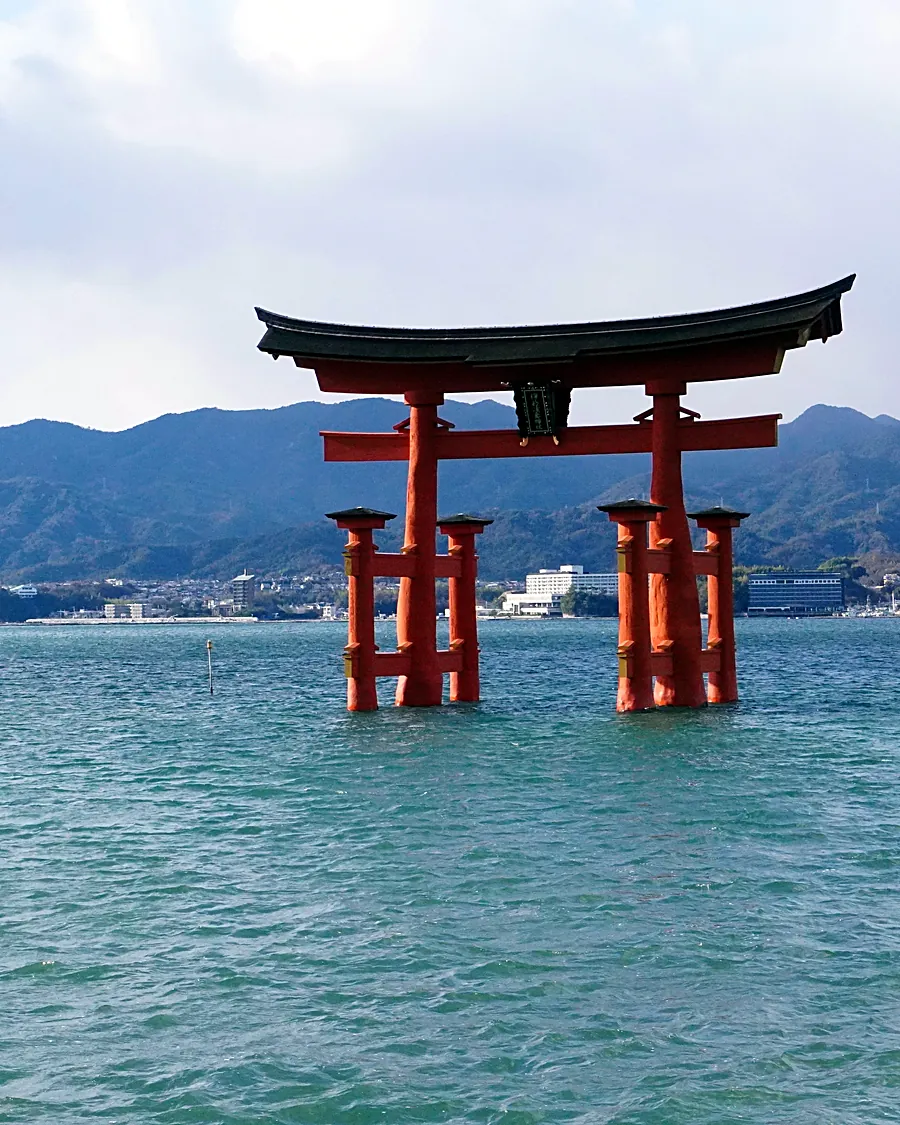
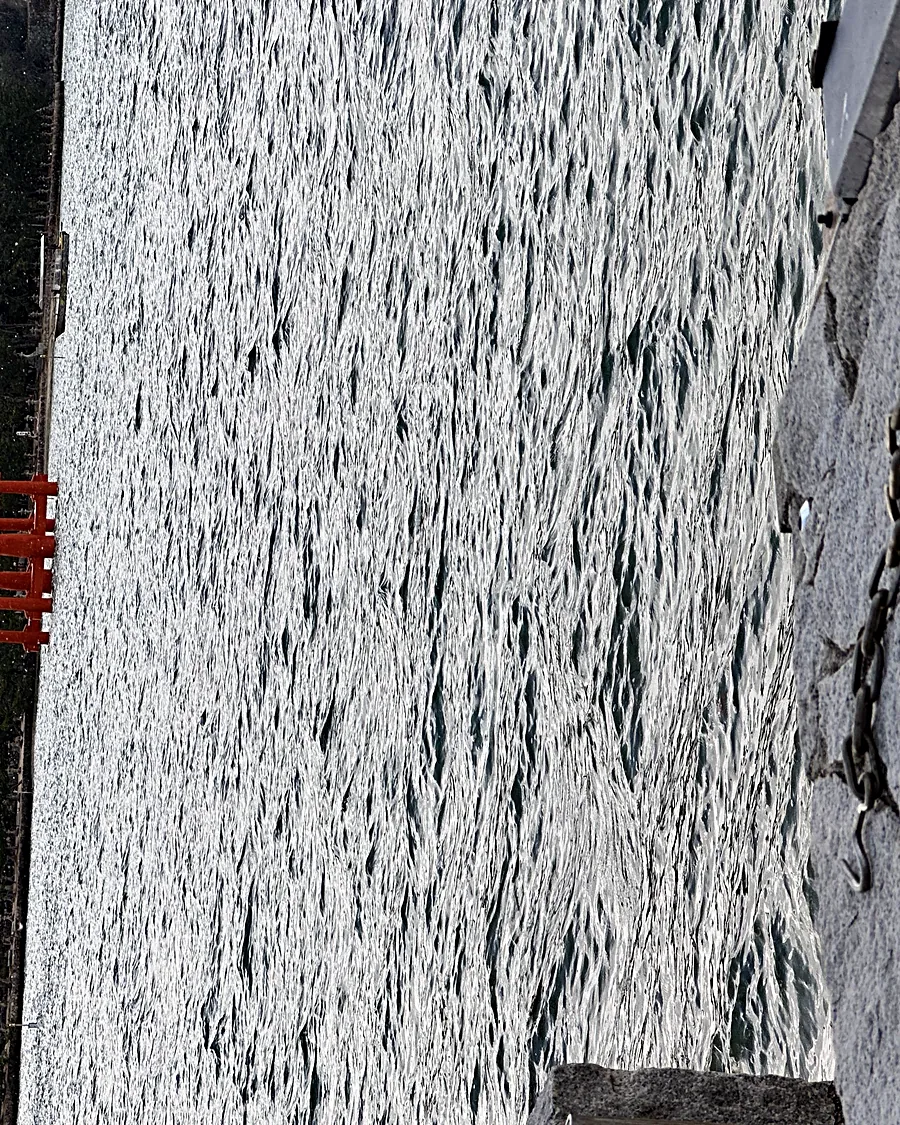
Itsukushima Shrine(厳島神社), Miyajima
✦
Thearc—9loops
Every strip clip from the four cities, one row
Kaminarimon at first lightSensō-ji Kaminarimon Gate (雷門), Asakusa