Age of Empires II
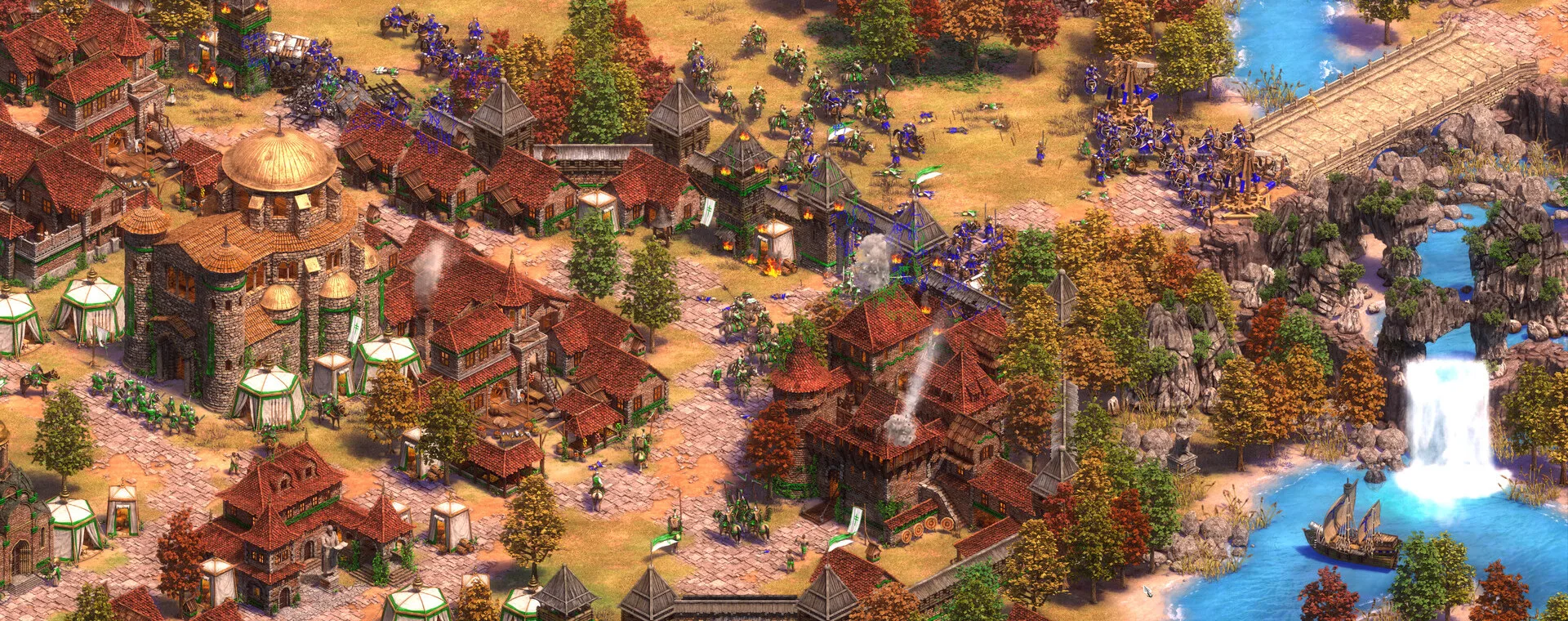 *
*I play for the Feudal Age.
A standard dark age (sheep, boar, berries, wood) and I click up around 21–23 villagers. In Feudal I read the room: if my ally is under pressure or the map is open, I go defensive with walls, towers and archers; if the enemy is greedy, I hit early with scouts or archers. Either way the Feudal army buys time, not wins. Then I move villagers to gold and stone, go up to Castle Age around 28–30 villagers, and drop castles forward (650 stone each) to take ground one strongpoint at a time.
Villager economy
Feudal at 10:14
Town Centre never idle
A rough model of a Dark Age: one villager every 25 seconds while food lasts, houses and two buildings from wood, then 130 seconds to research Feudal. Gold and stone earn nothing before Feudal.
Pressure buys tempo, tempo buys the economy, the economy buys the castles.
Civilisations
Three civs, three ways to plan.
Britons
Range and economy: win before they reach you (the planner's civ). Feudal archers.
Goths
Volume: cheap infantry that keeps coming (plan for scale). Defend Feudal, then mass infantry.
Aztecs
Tempo: a fast, aggressive Feudal into Castle Age (plan the timing).
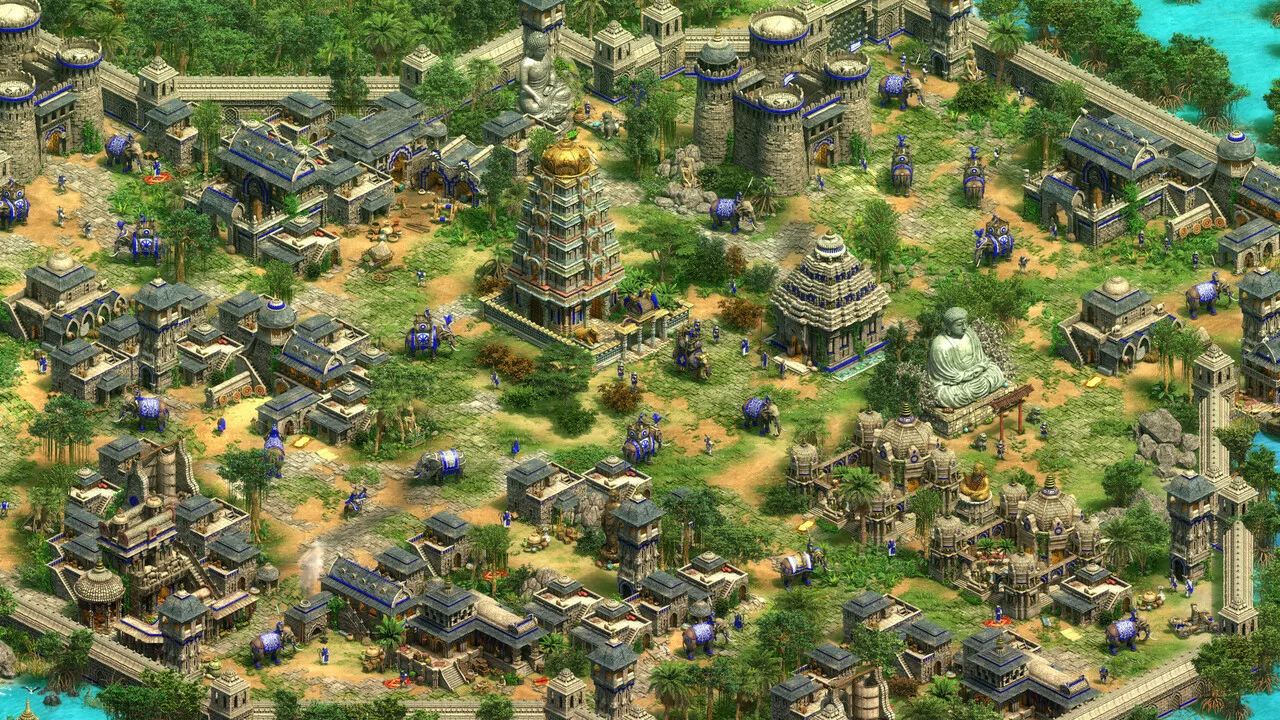
Age of Empires II is the oldest game in my life: I started in 2007, and it's about two thousand hours since. Most of my early hours weren't online at all. They were weekends in the hostel: two days straight on the LAN, friends shouting across the corridor, and the post-mortems after, arguing over the new ways we'd found to win. I don't remember one game. I remember those weekends. Pure happiness days.
My favourite civilisations say a lot about how I like to play. Britons are about range and economy: win before the enemy even reaches you, which is the planner's civ. Goths are about volume: cheap infantry that just keeps coming, so you plan for scale. Aztecs are about tempo: a fast, aggressive Feudal Age into Castle Age, so you plan the timing.
I play for the Feudal Age. A standard Dark Age (sheep, boar, berries, wood), and I click up around twenty-odd villagers. In Feudal I read the room. If my ally is under pressure or the map is open, I go defensive with walls, towers and archers. If the enemy is greedy, I hit early. Either way, the Feudal army buys time, not wins. Then I move villagers to gold and stone, go up to Castle Age, and drop castles forward to take ground one strongpoint at a time.
That's the planning lesson in one build order. Every villager is either economy or army, never both, which is capacity allocation in its simplest form. And the hardest decision in the game is when to click up: spend now to get stronger later, or stay and defend what you have. That's an investment-timing call, and it's the same call planners make every cycle. Pressure buys tempo, tempo buys the economy, and the economy buys the castles. Short-term moves exist to protect the long-term plan.
Every villager is either economy or army, and every planner is deciding the same thing with capacity. Short-term moves protect the long-term plan; that's S&OP.
* Age of Empires II: Definitive Edition © Microsoft Corporation. lavisahu.com was created under Microsoft's "Game Content Usage Rules" using assets from Age of Empires II: Definitive Edition, and it is not endorsed by or affiliated with Microsoft. Game Content Usage Rules