Sections
Each dot is an essay; a bigger dot is a longer read. Pick an island to jump to its essays.
Sections
Tap an island to open it
Each dot is an essay; a bigger dot is a longer read. Pick an island to open its essays.
Recommended
Five to start with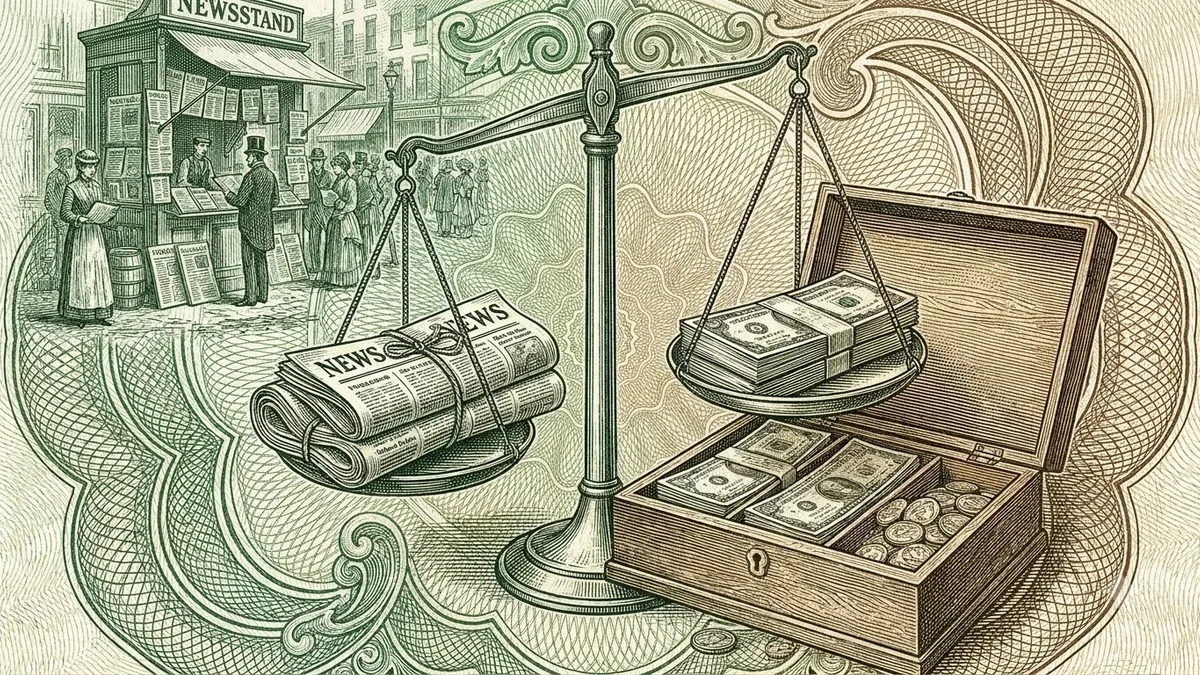 The newsvendor problem began, by later accounts, with a bank deciding how much cash to hold in 1888; it shows why the average forecast is the wrong order quantity.01
A Banker's Cash Drawer and the Wrong Number to Order
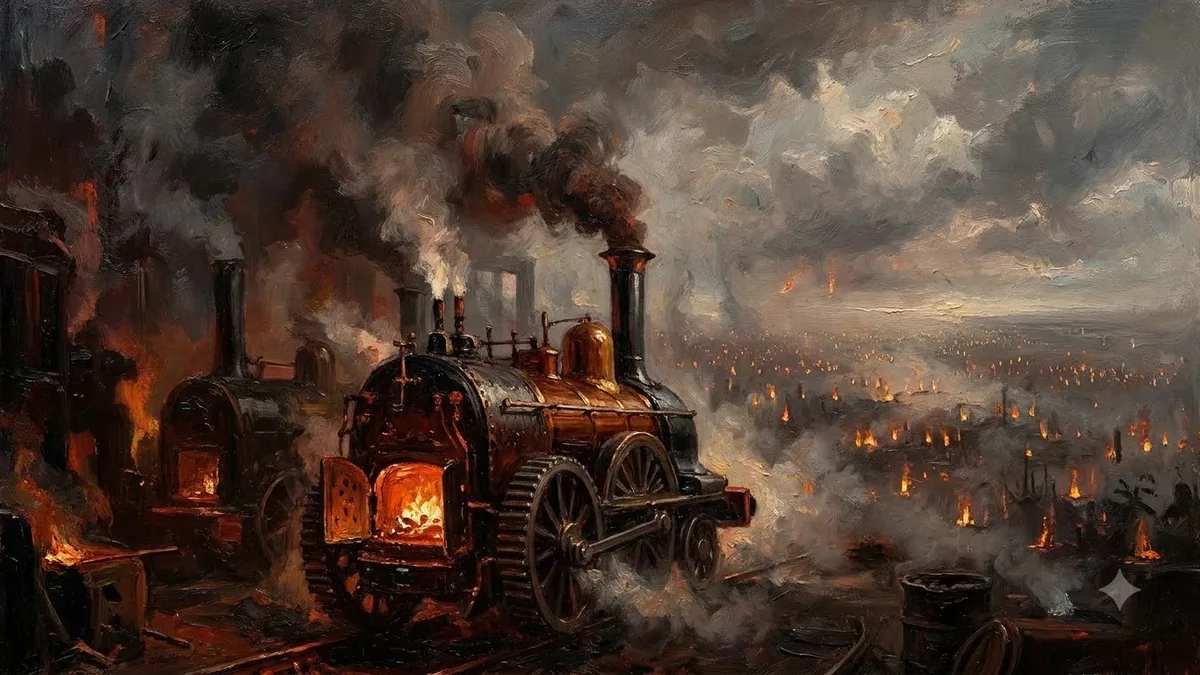 Jevons saw cheaper efficiency raise total use in 1865; whether cheaper AI analysis does the same for a planning team depends on one number.02
The Man Who Said Saving Coal Would Burn More of It
 Capablanca worried in 1926 that memory had made top chess too safe; Fischer, then Kasparov, show where a team's real skill sits once the book runs out.03
The Master Who Knew Every Game
 Garrett Hardin said a shared pasture must be ruined; Elinor Ostrom went looking and found rules that kept commons alive, and the same rules fit a shared production line.04
The Plant Everyone Pads For
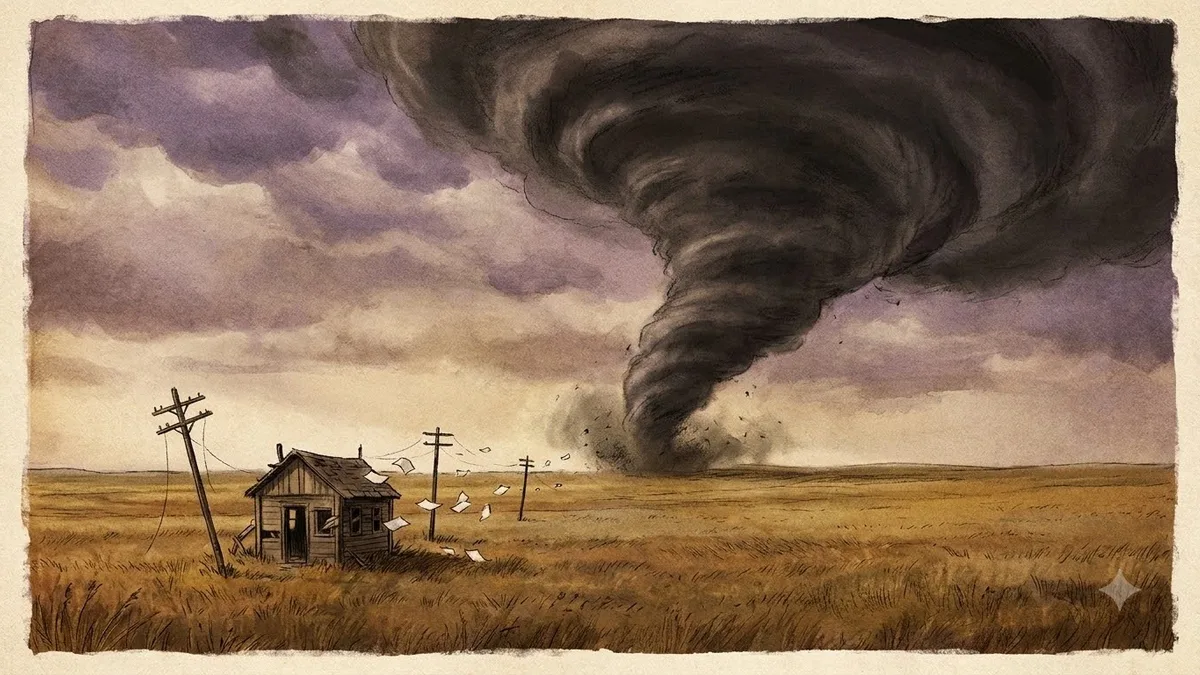 In 1884 a Signal Corps sergeant claimed near-perfect tornado forecasts, and a simple rule would have beaten him by saying nothing; scoring your own probabilities exposes the same trick.05
The Tornado Forecaster Who Was Almost Always Right
Every essay

Practice
16 essaysA Banker's Cash Drawer and the Wrong Number to Order
The newsvendor problem began, by later accounts, with a bank deciding how much cash to hold in 1888; it shows why the average forecast is the wrong order quantity.

Target Canada Found Its Item Data Was Wrong. It Opened Anyway.
A careful retailer held a data week, learned how bad its records were, and still kept the launch date. The fields no planner reads decided what happened next.
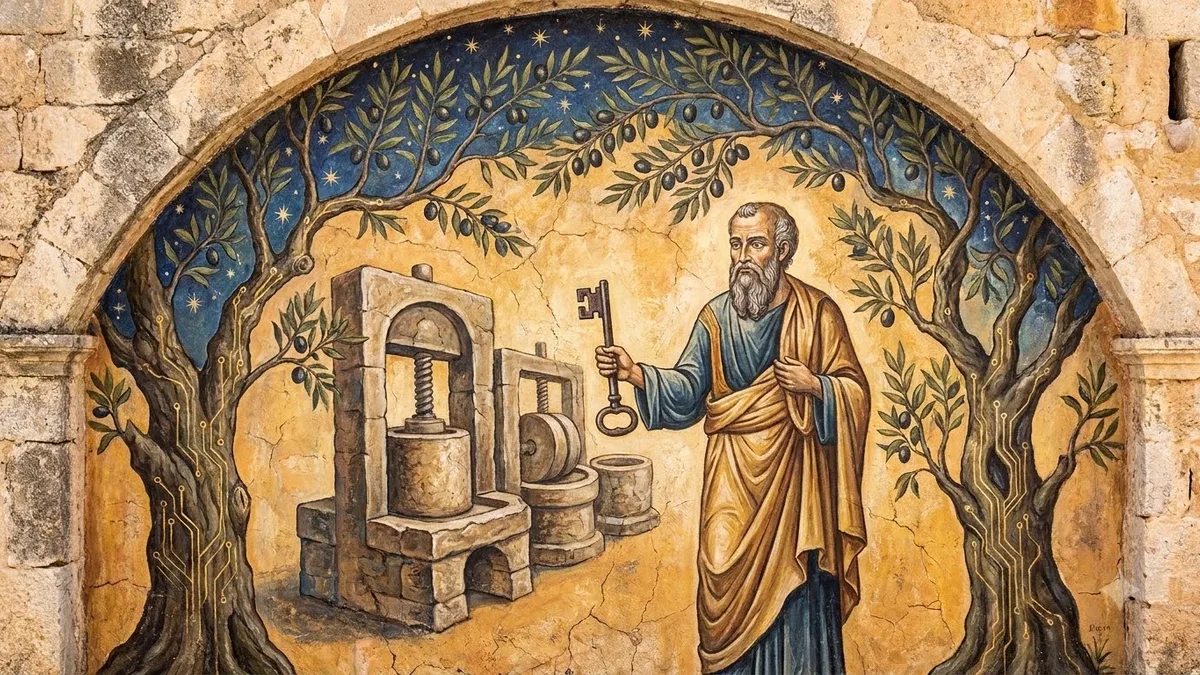
Thales Held the Option; the Carmakers Reportedly Let Theirs Lapse
Aristotle tells of a philosopher who reserved every olive press before a big harvest; in 2020 some chip buyers reportedly gave up their place in line before a rebound.
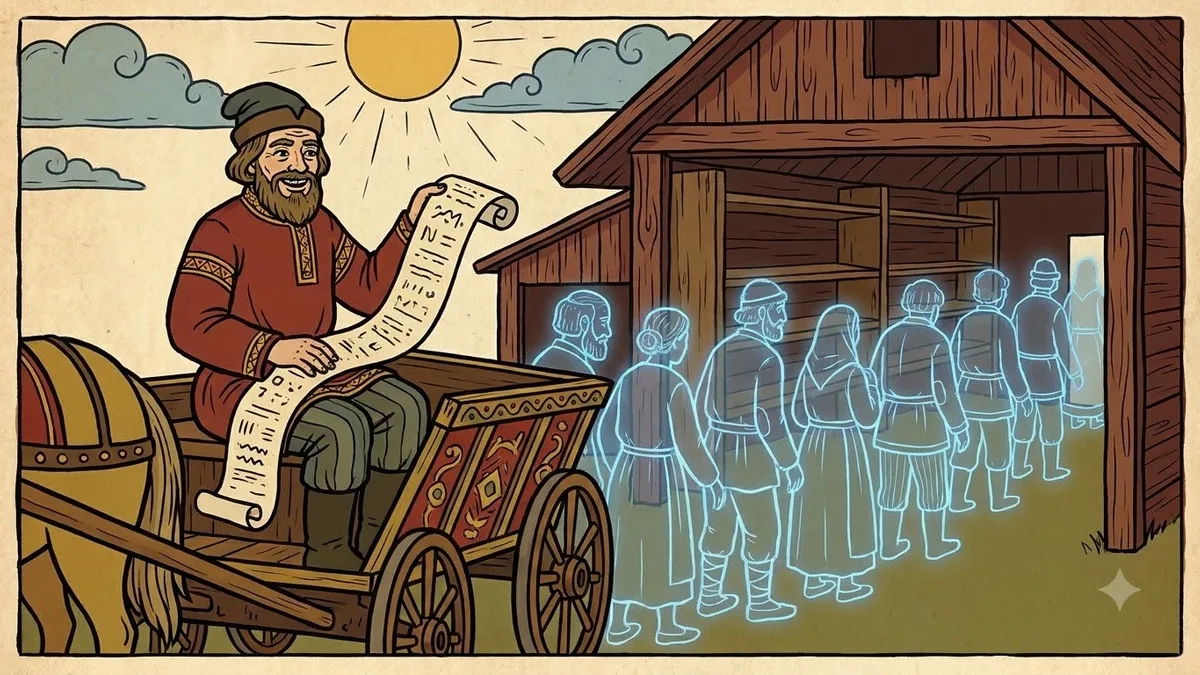
Why Chichikov Bought Dead Men, and Your Engine Buys Phantoms
In Gogol's Dead Souls a swindler profits because the census still lists the dead as alive; a replenishment engine trusts its on-hand record the same way.

Lean Told You to Cut All Inventory. Theory of Constraints Says You're Cutting the Wrong Kind.
A genuine disagreement inside the field, with an Indian foundry's real before/after numbers.
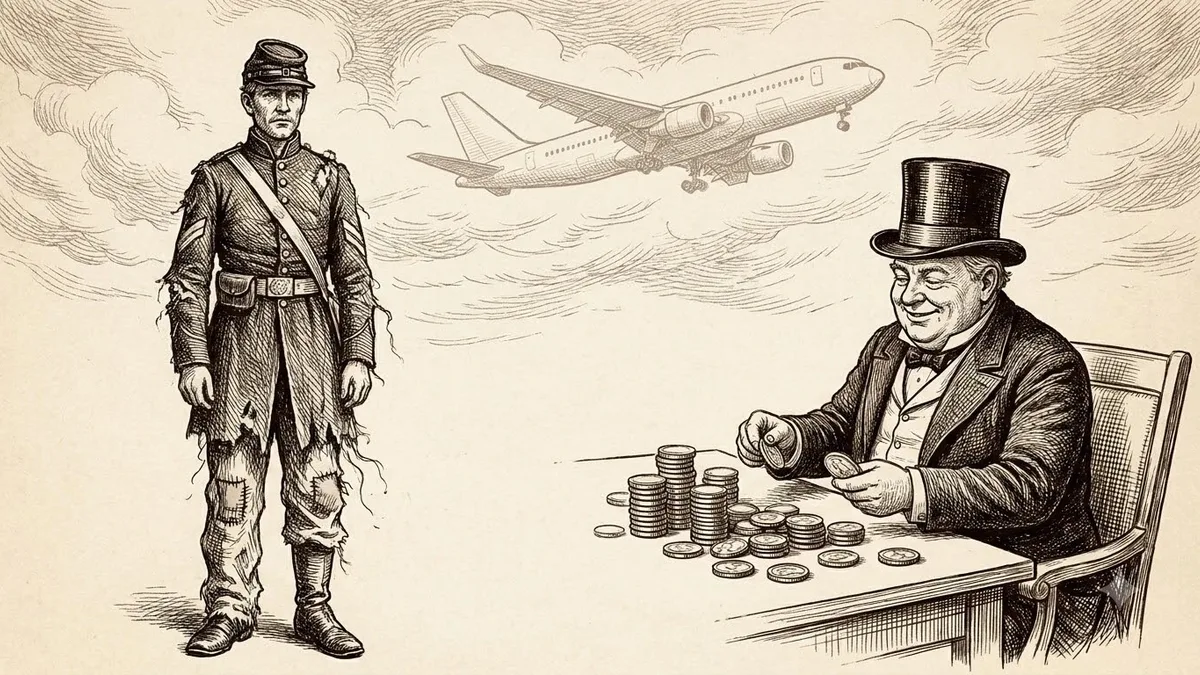
The Price Tag That Left Out the Plane
The Civil War gave English a word for goods whose low price hid their failure; the Dreamliner shows the same hole in a sourcing paper, with delay in place of rot.
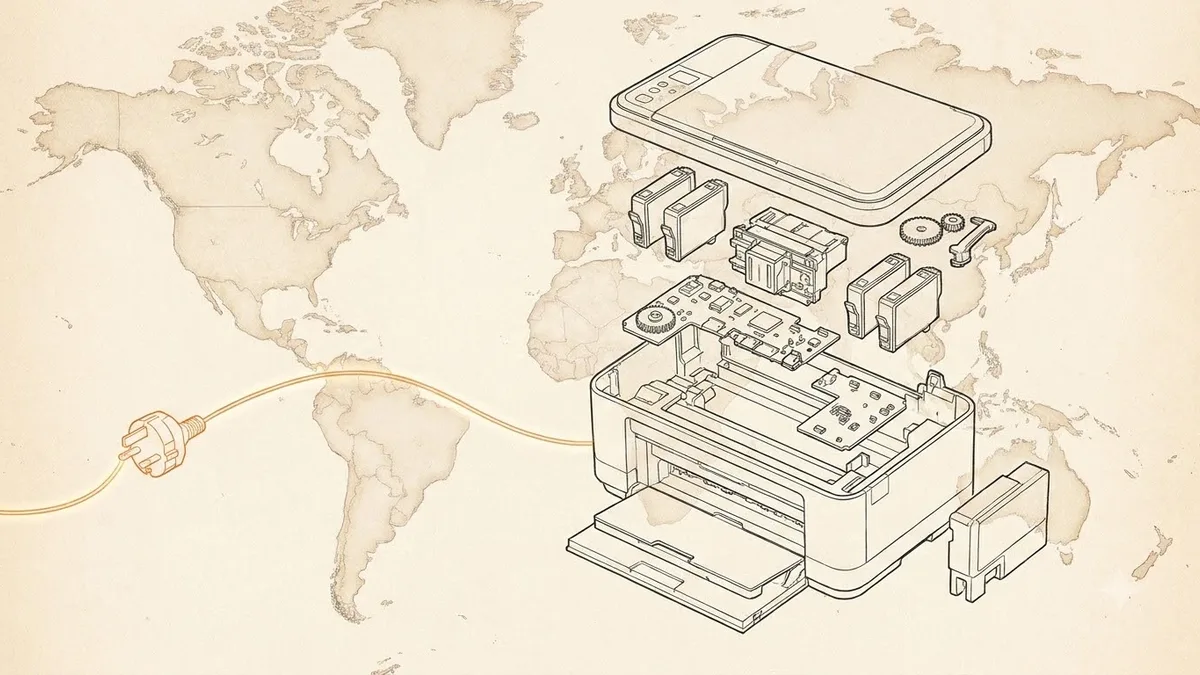
The Printer That Left Singapore Without Its Plug
Hewlett-Packard raised its factory costs on purpose and still cut total cost by a quarter, by moving one step to the other side of the ocean.
Buffer Shock
Nokia, Ericsson, a factory fire, and the difference between a supply chain that bends and one that breaks.
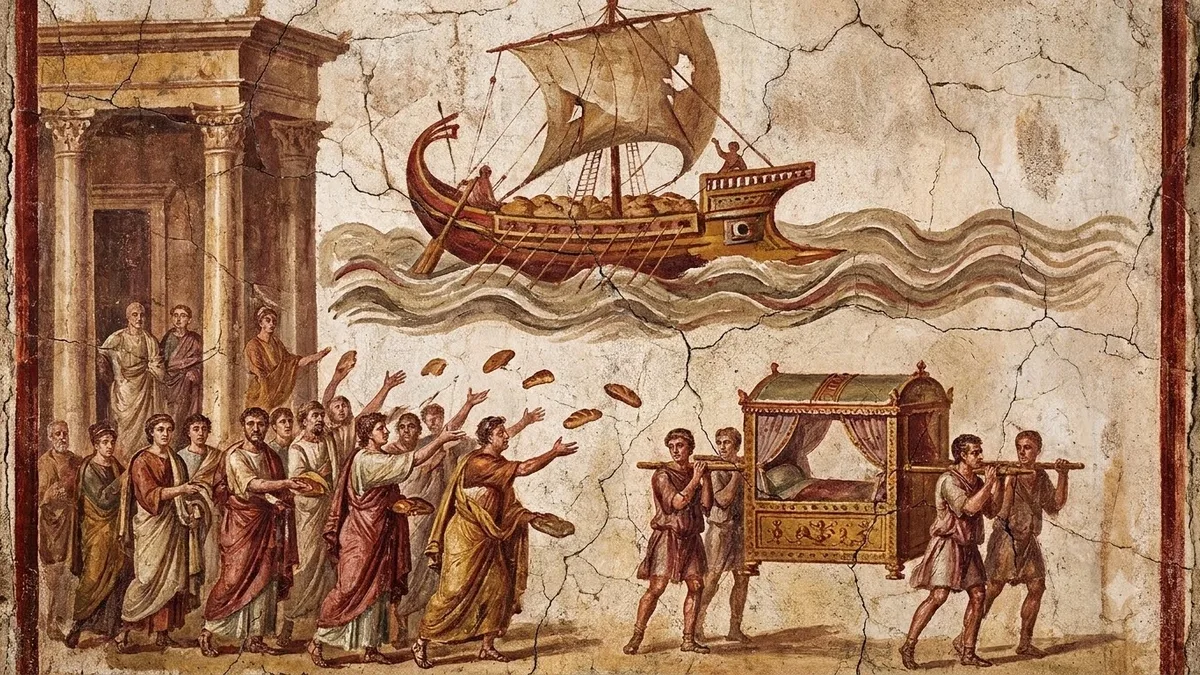
The Emperor Who Was Pelted With Bread
Suetonius blames drought for Rome's grain shortage, yet every remedy he credits to Claudius aims at the reliability of the sea route.
Where Henry Ford Found Twenty-Eight Million Dollars
Ford freed a fortune without selling one more car, and Dell's 2002 filing shows the same trade in numbers a planner can recompute.

Three Scripts, One Decree: Why Your Unit Plan and Revenue Plan Never Read Alike
The Rosetta Stone shows what it takes to read one message in two languages, and a made-up product family shows the same step in an S&OP meeting.
The Clerk Who Beat the Experts, and the Planner Who Adds Three Percent
Seventy years of research says an equation often matches expert judgment, and a study of supply-chain forecasts shows where your manual overrides sit on that record.

Your Forecast Isn't Wrong. Your Supply Chain Is Amplifying It
A number you can compute from your own order data this afternoon, and the four reasons it's probably bigger than 1.

Map Your Time-to-Recover Before the Next Earthquake Does It for You
A calculable number to replace the platitude about diversifying suppliers, plus a 2011 case that shows exactly what happens when nobody ran it.
Your Supplier Segmentation Is Older Than the iPhone and Still Undefeated
A 1983 HBR framework that still beats most AI-scored supplier-risk dashboards, because it forces a strategy decision instead of a number.

Your “Digital Twin” Is Probably Just a Simulation With Better Marketing
The one technical question that separates a real digital twin from a rebranded what-if model. Ask it before you sign the next vendor contract.

Automation
11 essaysThe Man Who Said Saving Coal Would Burn More of It
Jevons saw cheaper efficiency raise total use in 1865; whether cheaper AI analysis does the same for a planning team depends on one number.
The Meeting Where Simple Forecasts Won, and the Contest Where They Lost
Forecasting contests have crowned opposite winners for decades; the new pretrained models join the field, and your own data has to pick.

Two Amateurs, Three Computers, and the Grandmasters Who Lost
Kasparov explained a 2005 chess upset as a result of process, and planning teams that allow overrides can test the same idea on their own log.
Why Ford's Plan to Cut a Fifth of Its Clerks Became a Cut of Three Quarters
Michael Hammer's 1990 account of Ford's payables shows why an AI agent should arrive after the delete pass, and what the delete pass must protect.
The Disease Keynes Named, and the Teller Who Outran It
Keynes said job loss from saved labor would be a temporary phase; the bank teller shows the arithmetic that decides how long the phase lasts.

The Canary Was Also Your Next Miner
Stanford payroll data finds early-career workers losing ground in AI-exposed jobs, and for a planning team the sentinel is also the supply of future seniors.

Computed Twice, Examined by a Third: The Almanac and the Spreadsheet Cell
Maskelyne's 1767 Nautical Almanac was built so that agreement between independent hands counted as evidence. A bank's risk spreadsheet shows how far one unchecked divisor can travel.

The Perception Gap
AI coding tools make you feel faster. METR measured it, and the measurement disagrees with the feeling by 39 points.

A Quiet Queue Proves Nothing: The Handback on Air France 447
Air France 447 handed control back to pilots who had never trained for that moment at altitude. An auto-approved queue hands back too, and nobody has planted an error to see who is watching.
The Better the Copilot, the Rustier the Planner
A 1948 clock test and a short 1983 paper explain why a planning tool that handles the routine leaves its people worse prepared for the day it fails.
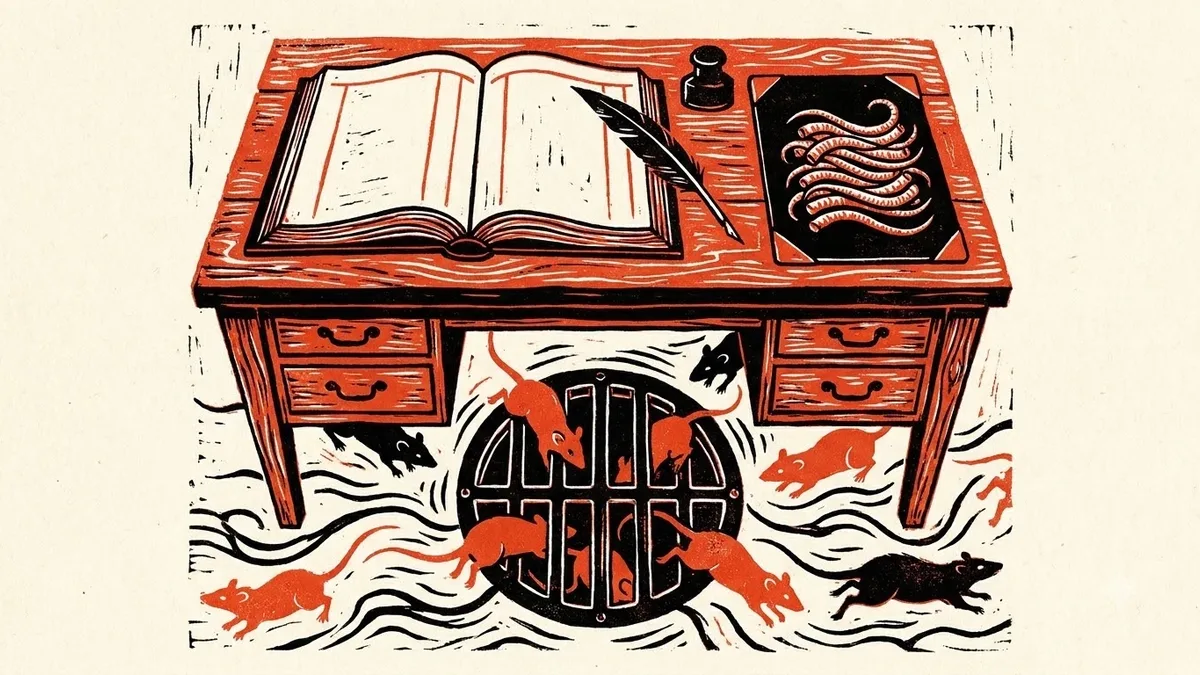
Paid by the Tail: Was Klarna's Chatbot Cheap Per Answer?
Hanoi once paid for rat tails and got tails without dead rats; a chatbot dashboard can pay for handled chats and get the same gap.

Games
13 essaysThe Master Who Knew Every Game
Capablanca worried in 1926 that memory had made top chess too safe; Fischer, then Kasparov, show where a team's real skill sits once the book runs out.
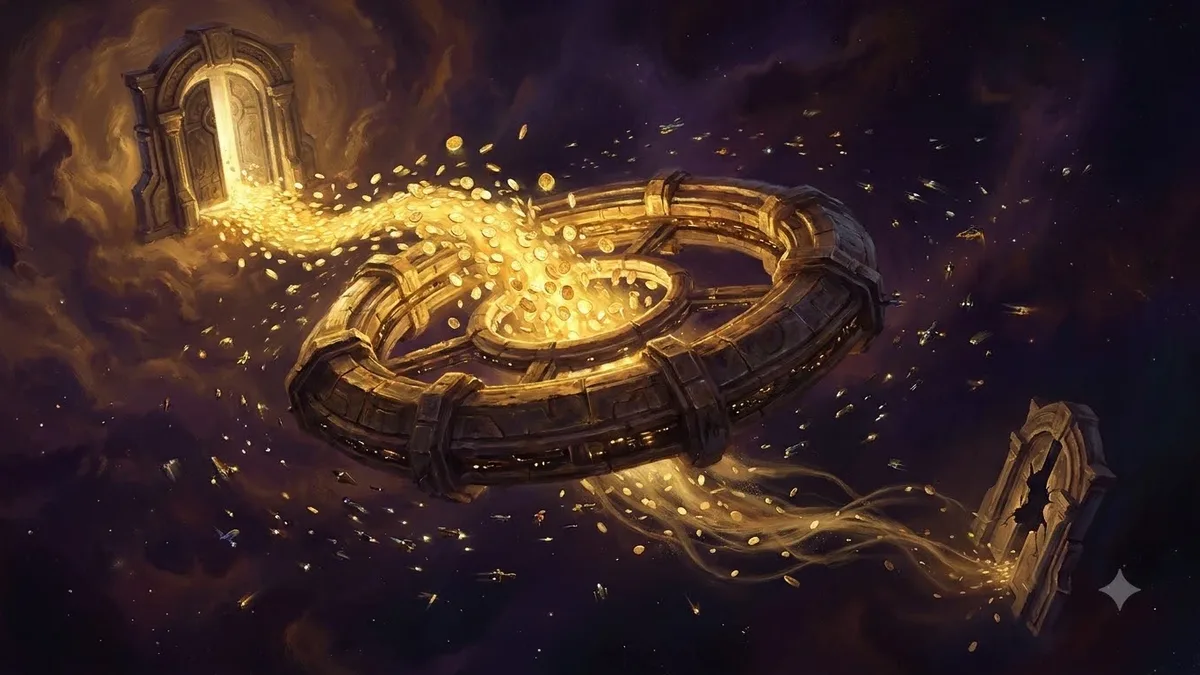
The Interval David Hume Warned About
Hume described money that flows in before prices notice, and a video game's economist charts that same gap every month; planners can chart it for stock.
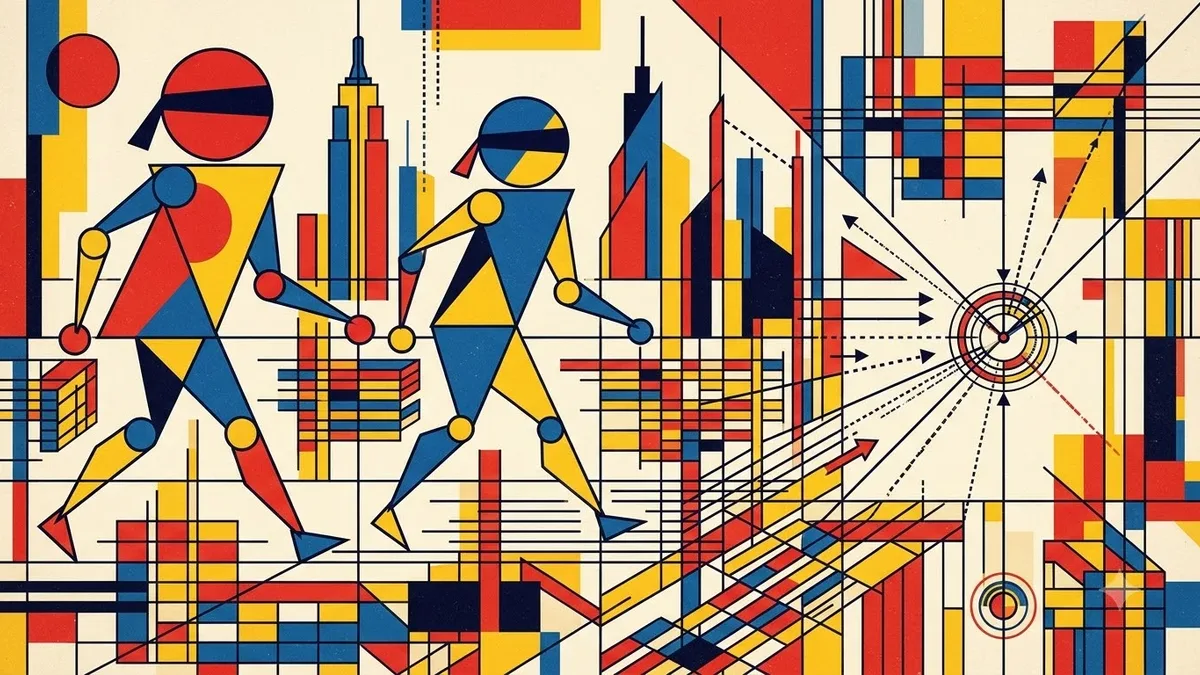
Two Perfect Players, One Score of Nearly Zero
Thomas Schelling asked strangers where they would meet in New York with no way to talk; an AI card game shows what happens when the answer is missing.

How Sure Can You Be After Nothing Goes Wrong?
Laplace bet millions to one on tomorrow's sunrise, and a Dota bot's public test shows how little a short clean record proves about a plan.
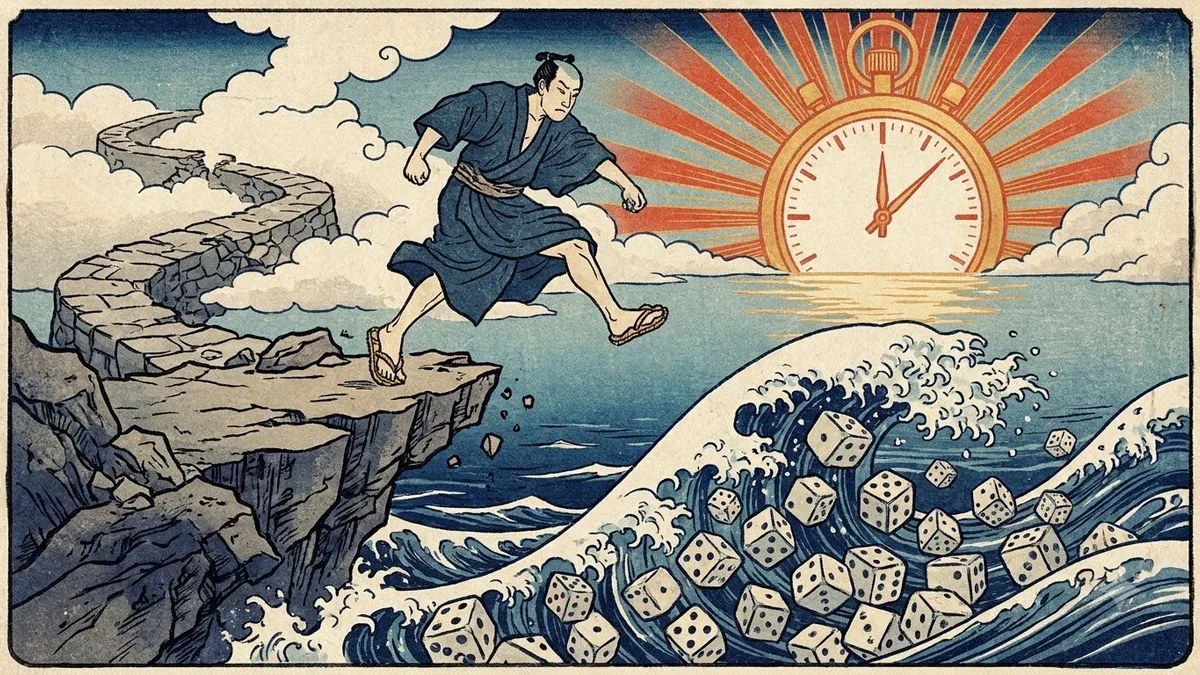
The Five-Second Skip That Costs More Than It Saves
Christiaan Huygens priced a chance as a fixed sum in 1657, and the same pricing shows why a faster step that sometimes fails can lose to the slow one.
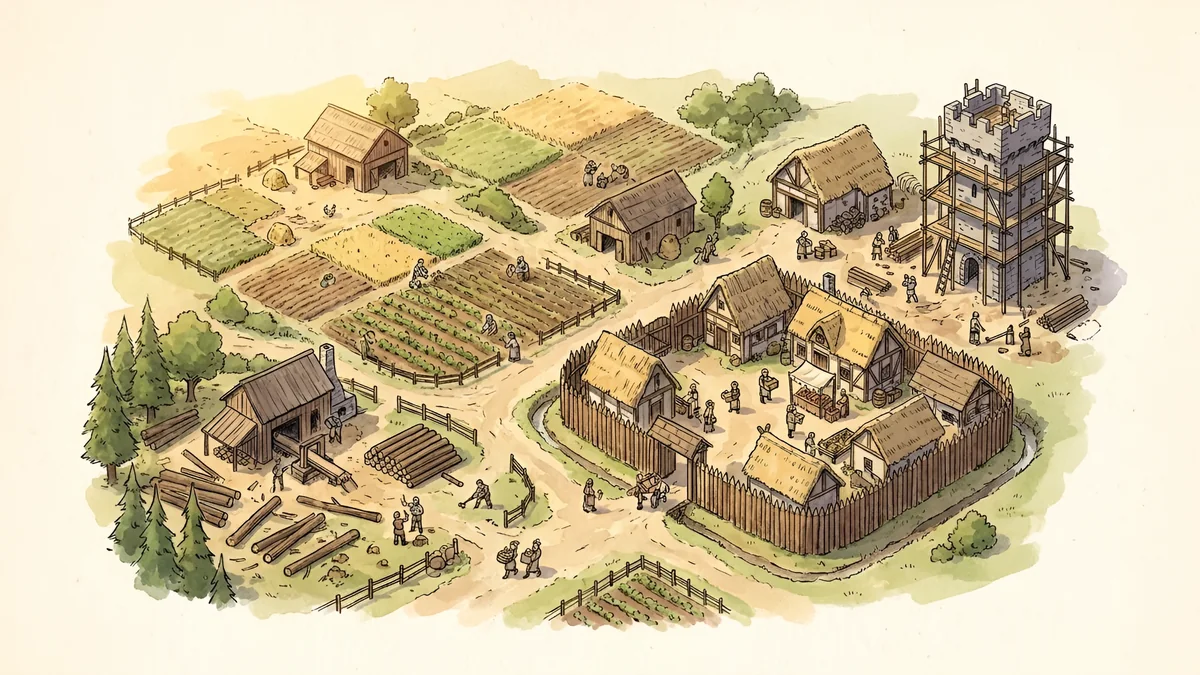
Feudal Age discipline: when to defend and when to rush
Defend, rush or click up: what an Age of Empires II build order says about capacity and investment timing.
Tilt and the bullwhip
Overreacting to one bad fight, or one bad week, makes the next decision worse. The MIT Beer Game shows how far that travels.
Kills vs objectives: the KPI trap
What ten thousand hours of Dota taught me about KPIs: the scoreboard can lie, and planning dashboards can too.

The Demon Who Needed Only One Piece
Laplace imagined a mind that sees everything; Tetris champions see one piece ahead, and in 2018 taking it away broke them, which says something about how far ahead a plan must look.

Why a Rule About Arguments Describes a Factory
Thomas Reid wrote in 1785 that a chain of reasoning is only as strong as its weakest link; Factorio shows the same law in belts, and one difference between links and stages is the whole lesson.
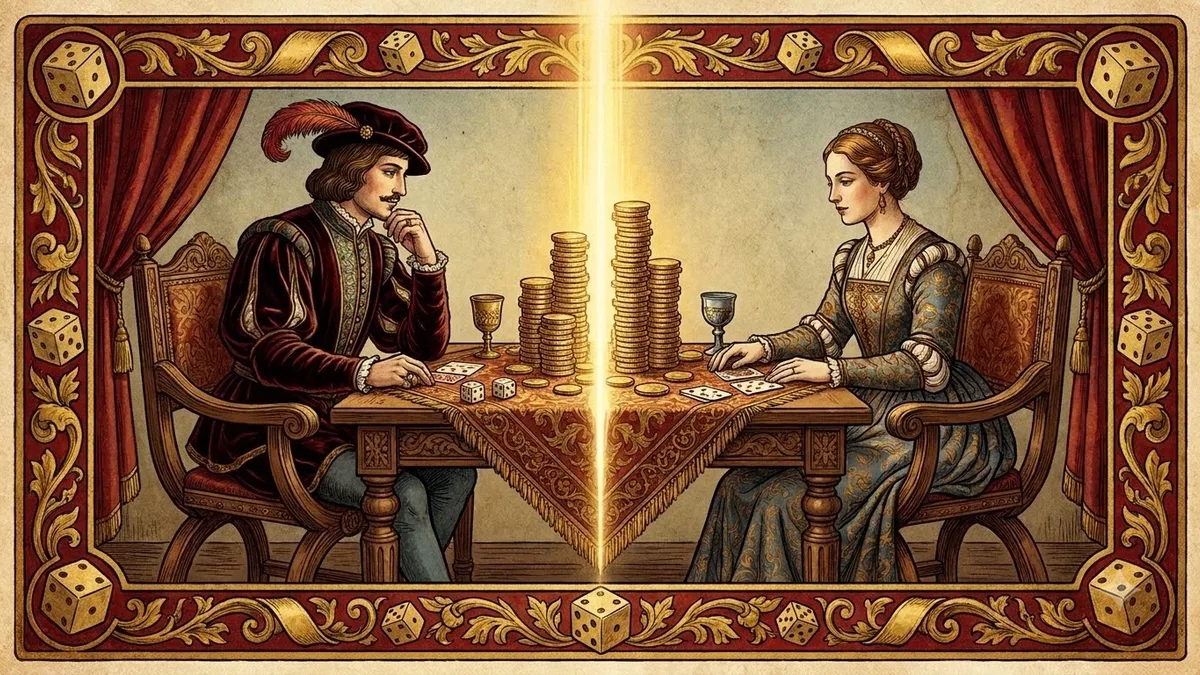
The Interrupted Game That Taught Us to Ignore the Score
Renaissance mathematicians split a pot by the score and got absurd answers; planning post-mortems that judge a call by its result repeat the mistake.
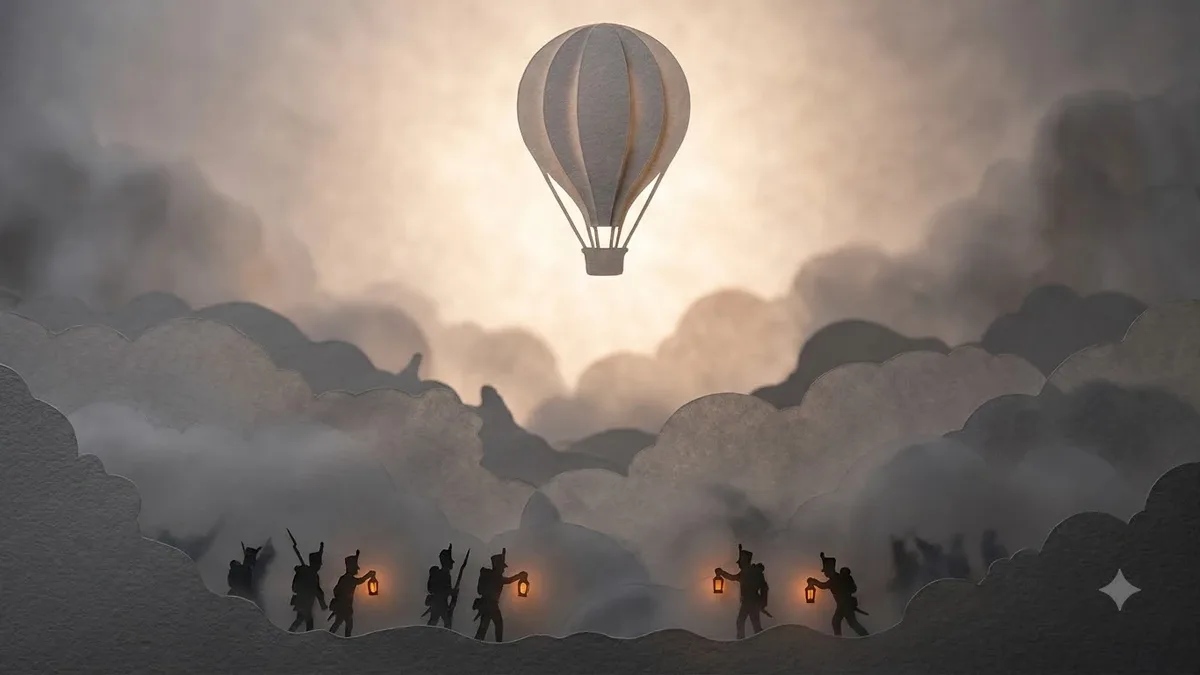
Clausewitz Said Most Reports Are False. So What Is a Scout Worth?
A Prussian general who distrusted every report still sent out scouts, and the arithmetic he lacked gives planners a ceiling price for any demand signal.

The Assistant Fired for Running Late
In 1796 an Astronomer Royal dismissed an assistant for slow timings, and a 2013 StarCraft II study suggests planning teams make the same mistake when they count busyness and ignore lag.

Philosophy
10 essaysThe Plant Everyone Pads For
Garrett Hardin said a shared pasture must be ruined; Elinor Ostrom went looking and found rules that kept commons alive, and the same rules fit a shared production line.

The Business Case That Could Not Fail
A young student in Vienna saw that Einstein's theory risked being wrong and Adler's could not be; most business cases are written like Adler's.
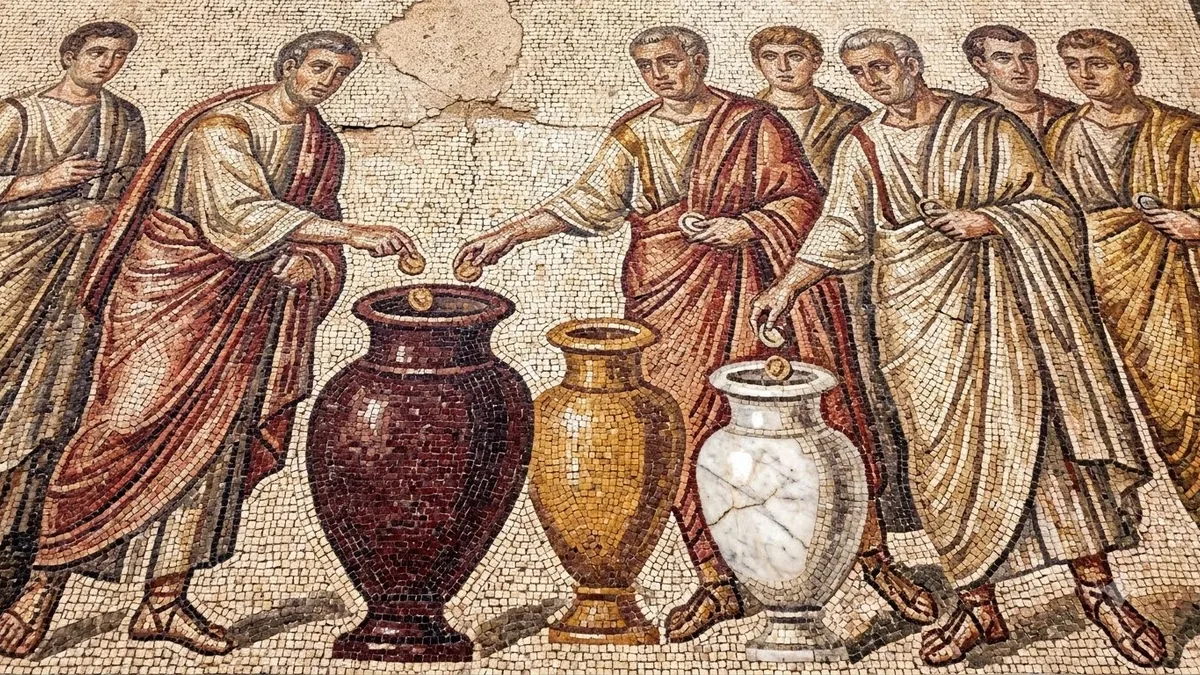
The Senator Who Changed the Count
A Roman senator showed that the same votes can give different verdicts depending on how they are tallied, and Kenneth Arrow proved the trap has no clean exit; a planning meeting can still pick its rule first.
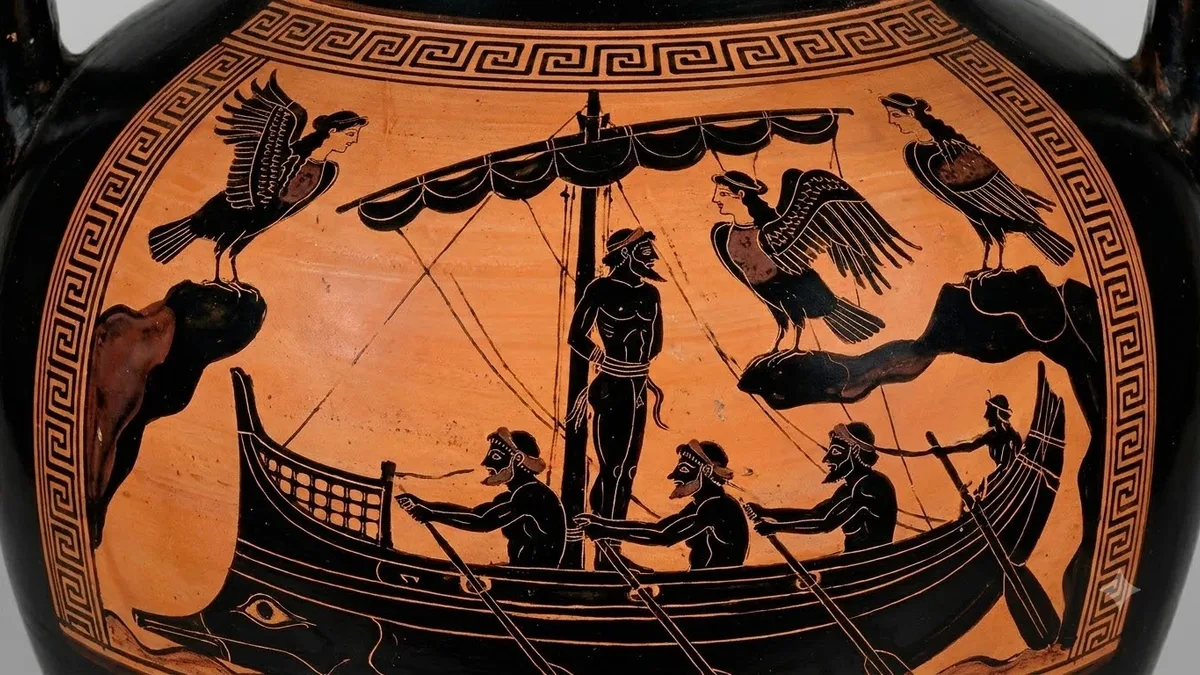
Why Ulysses Ordered His Crew to Ignore Him
Homer's hero told his sailors to disobey him on purpose, and a frozen planning window works on the same trick, as long as the person who begs cannot reach the knot.
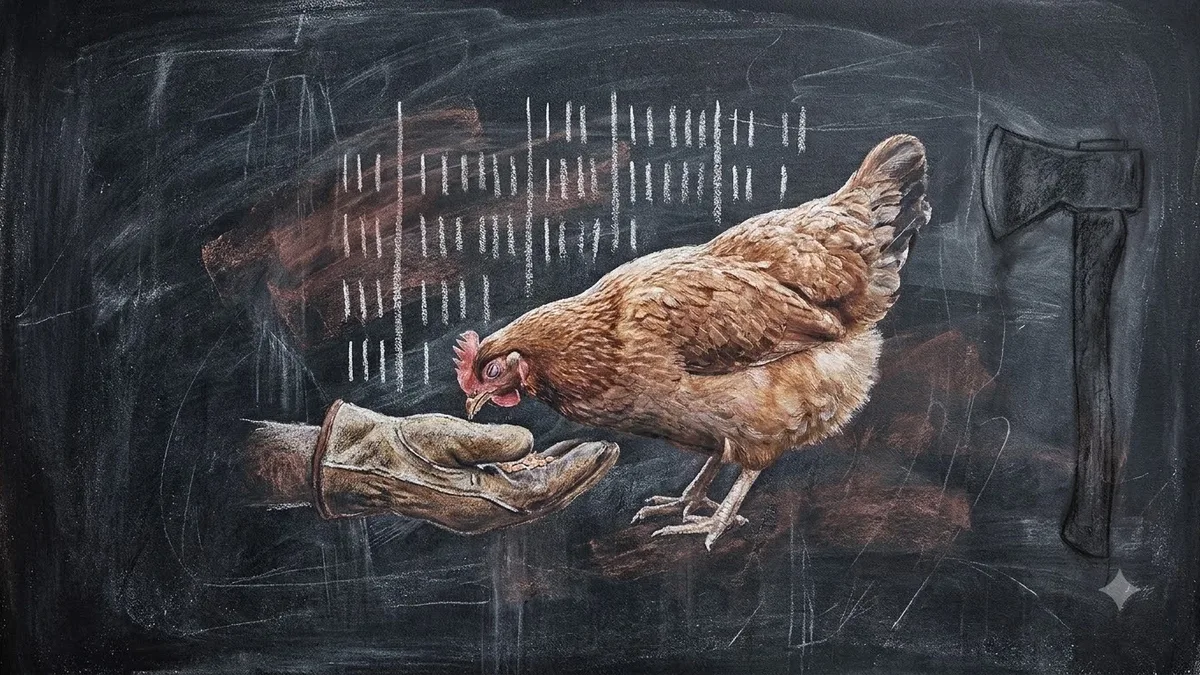
Two Clean Years and a Chicken
A perfect record feels like proof and, Hume argued, cannot be one; two simple rules say how much a clean run of weeks still allows.

The Donkey Who Wanted the Best Quote
A donkey between two haystacks starves because it cannot stop choosing; Herbert Simon's answer, good enough, has a price you can calculate before round one of an RFQ.

Two Urns on the Planning Table
Safety stock works for a product with two years of history and quietly misleads for the one you launch next month; Frank Knight drew the line in 1921.
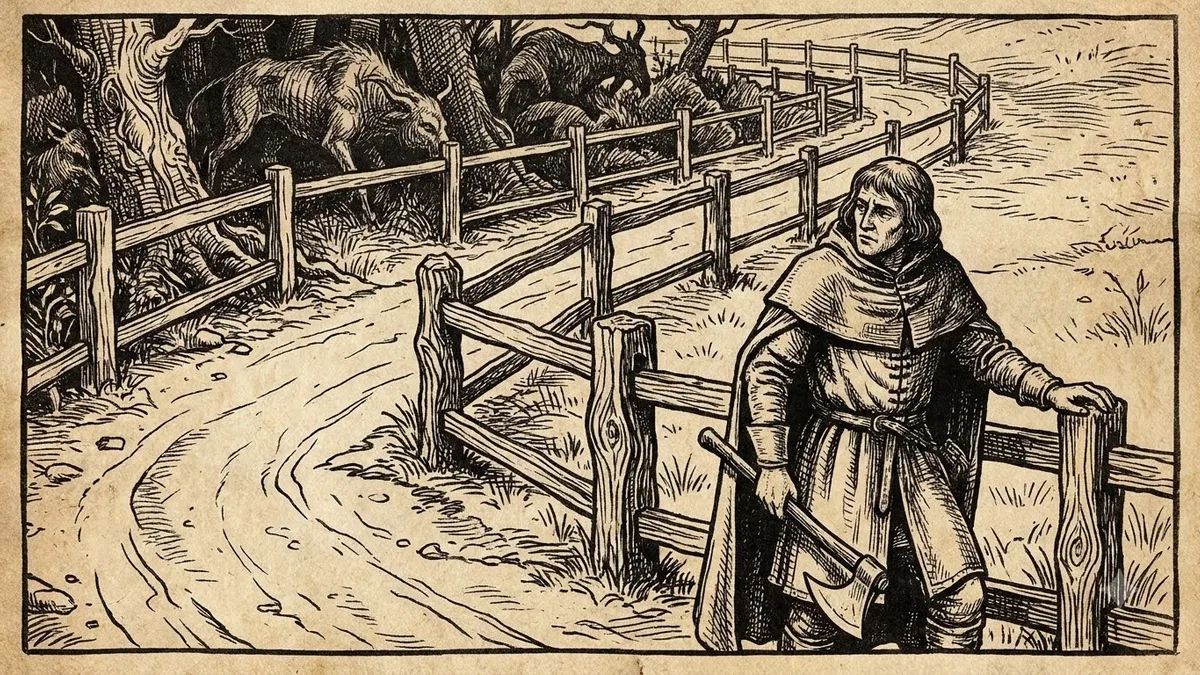
The Fence Nobody Could Explain
Chesterton told reformers to find out why a fence stands before clearing it; a break-even number says how sure you must be before you delete an approval step.
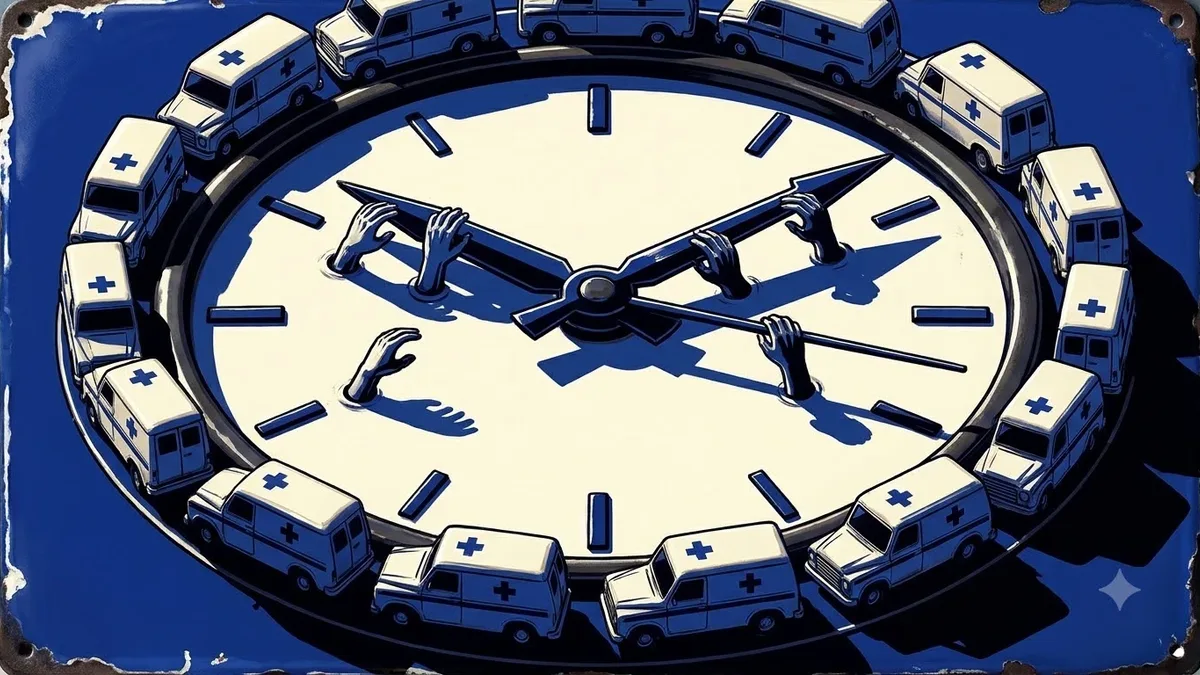
The Clock That Everyone Beat by Ten Minutes
A target can save lives and bend the data around it in the same year; a simple count shows which of your own KPIs has already started to bend.
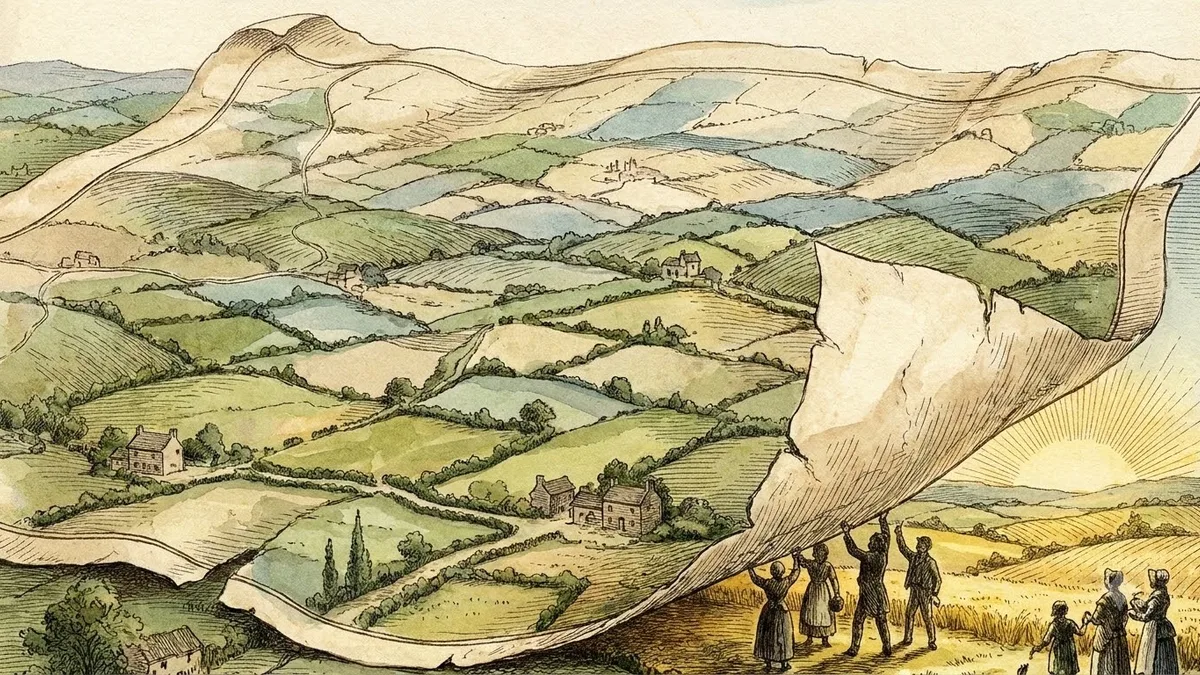
The Farmers Who Vetoed the Perfect Map
A perfect map has one flaw, and Lewis Carroll's farmers found it before Borges did; planning models walk toward the same flaw one attribute at a time.

Books
10 essaysThe Tornado Forecaster Who Was Almost Always Right
In 1884 a Signal Corps sergeant claimed near-perfect tornado forecasts, and a simple rule would have beaten him by saying nothing; scoring your own probabilities exposes the same trick.
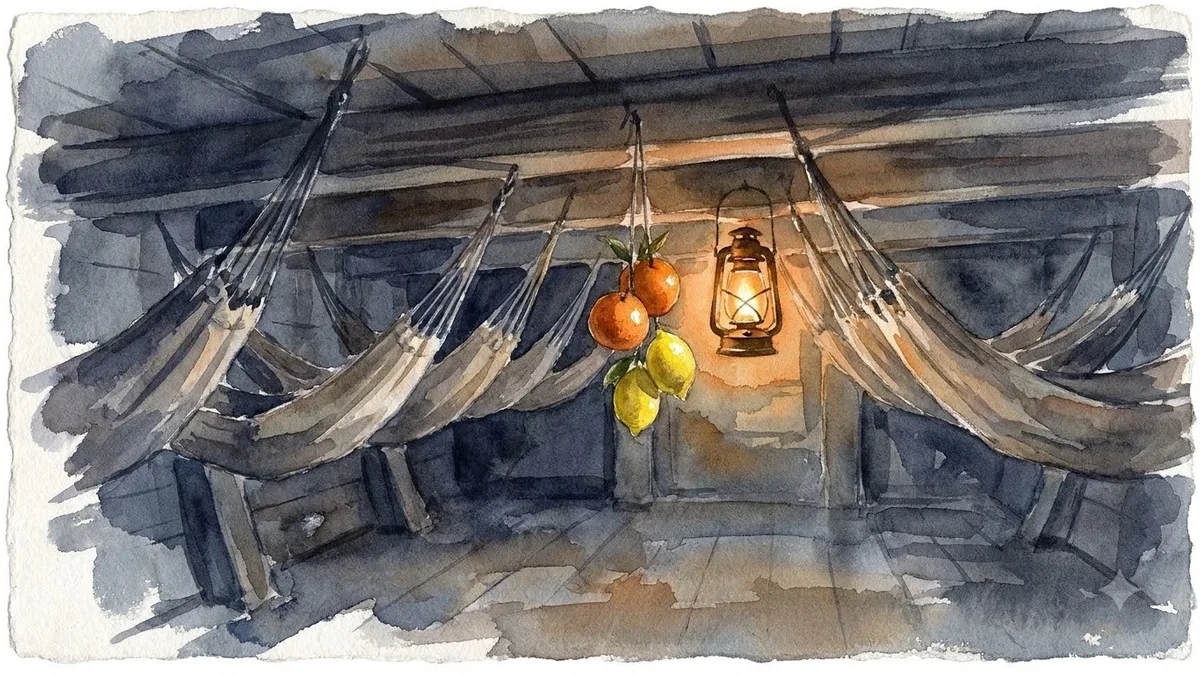
Twelve Sailors Found a Cure. Why Can't Your Pilot?
James Lind's tiny scurvy trial worked because the effect was enormous; most business pilots chase small effects, and the arithmetic of the control group says how many stores they need.

The Doctor Who Was Right Every Time
A physician's perfect record taught him the worst lesson, and the same trap sits in your demand history: some SKUs teach you, and some only flatter you.
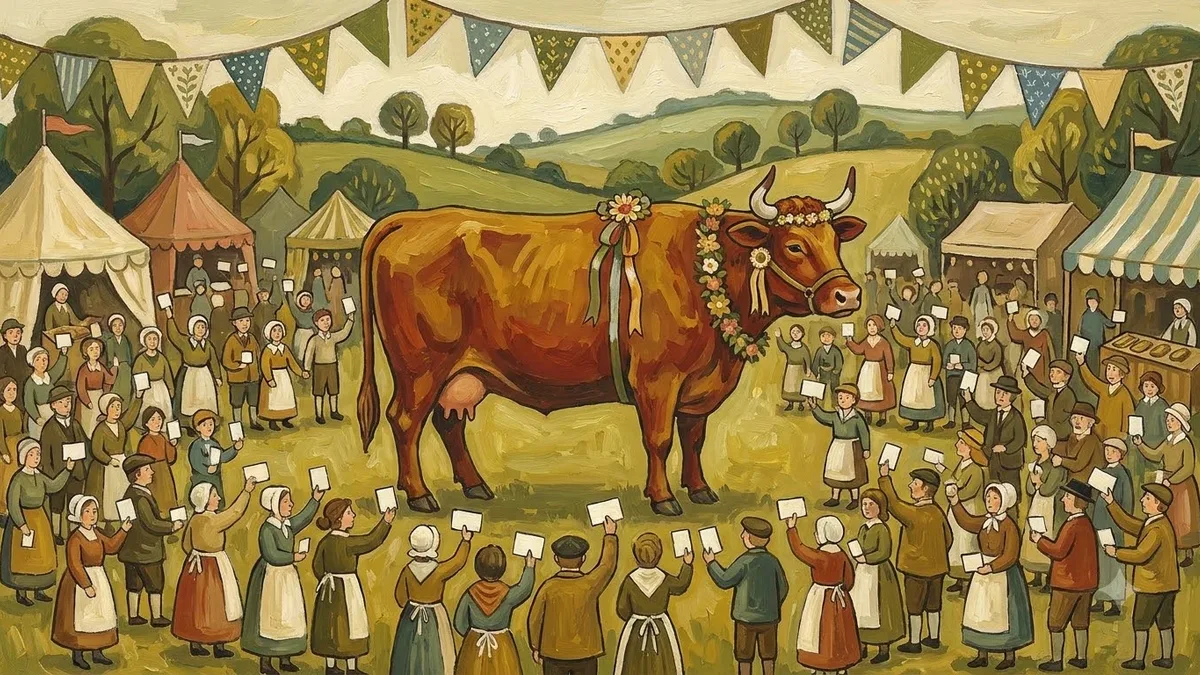
The Ox, the Crowd and the Forecast Review
Francis Galton's crowd weighed an ox within a hair, yet insurance underwriters pricing the same policy disagreed wildly; the difference is whether anyone saw the spread.
Nineteen Items, Two Verdicts: When Does a Checklist Pay?
A surgical checklist cut complications in eight hospitals and moved almost nothing across Ontario, and the gap shows what to measure before you roll out a sign-off.
The Cost Adam Smith Said We Would Underestimate
Smith's pin factory is taught as a story about skill, yet his own text says the time lost between jobs is larger than we would guess.
A Mayor's Case for Unfinished Thoughts
Montaigne left public life to write, was pulled back into office, and kept calling his book a trial; his reason is a working method for planners who only share finished slides.
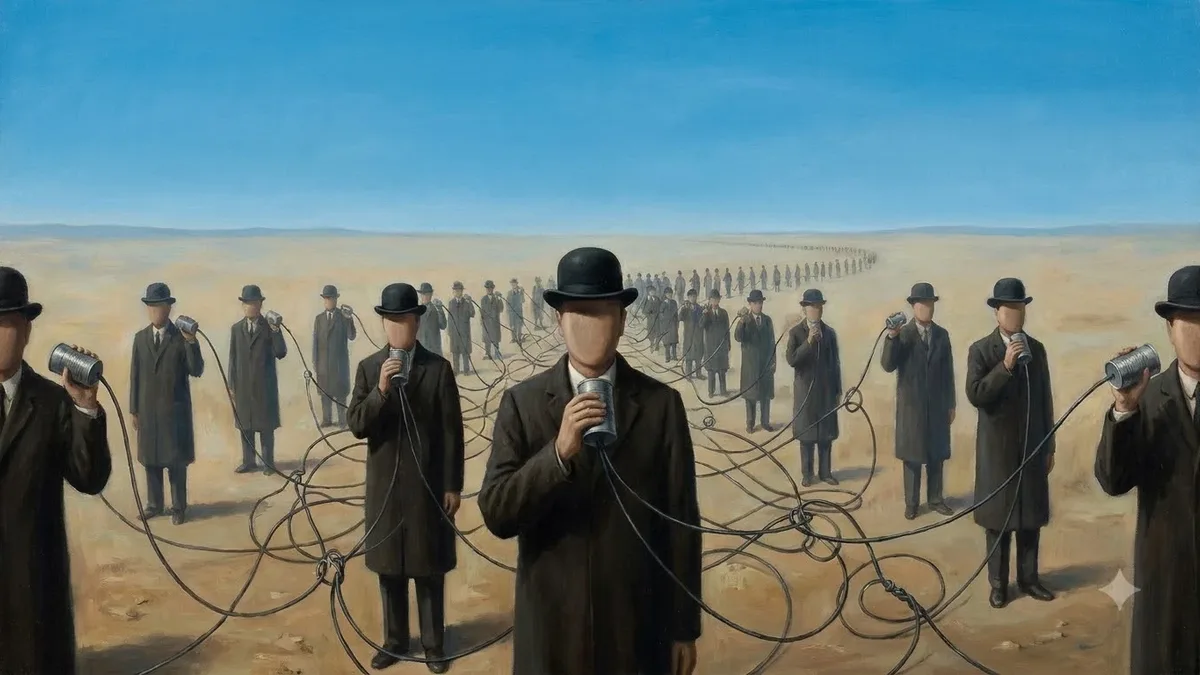
Why Two Agents Can Do Worse Than One
Fred Brooks watched a late operating system get later as people were added, and his arithmetic about channels now applies to software agents.
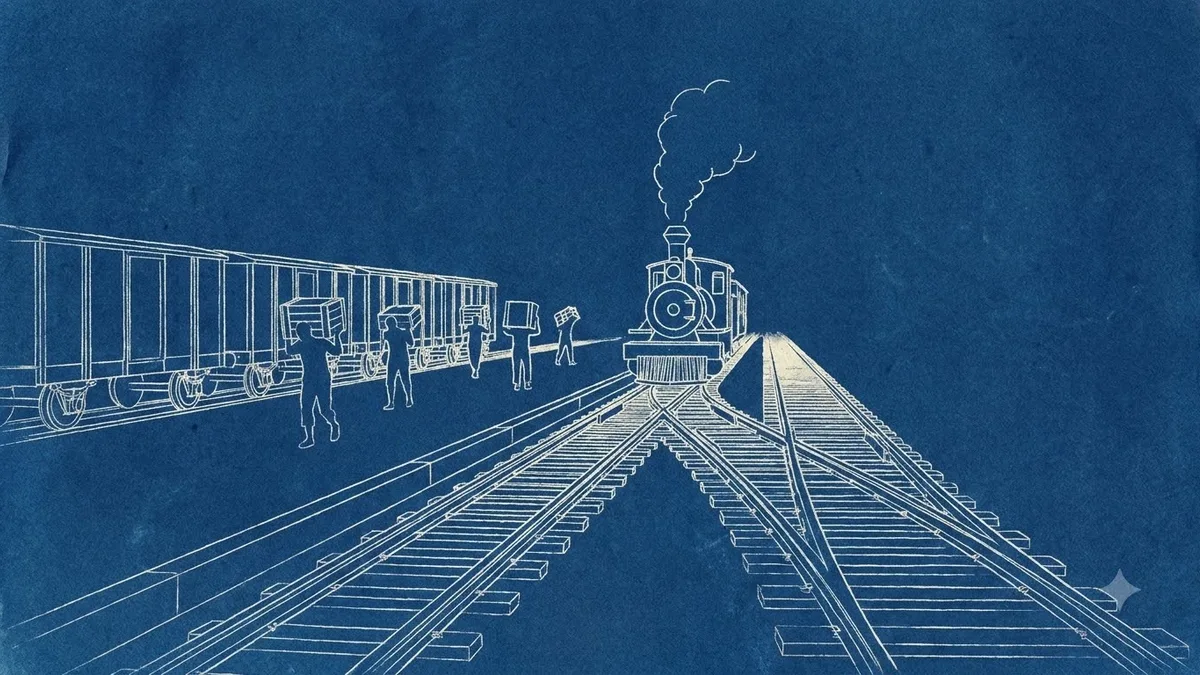
The Gauge That Won the Test and Lost the Network
Victorian commissioners admitted that Brunel's railway was faster and still ruled against it, and the same logic asks how far a famous 1956 shipping pilot's saving could reach.

Who Paid for the First Penguin?
A paperback at the price of a cigarette packet only works if someone else carries the printing risk, and publishers found that trick two centuries before Penguin.

Travel
10 essays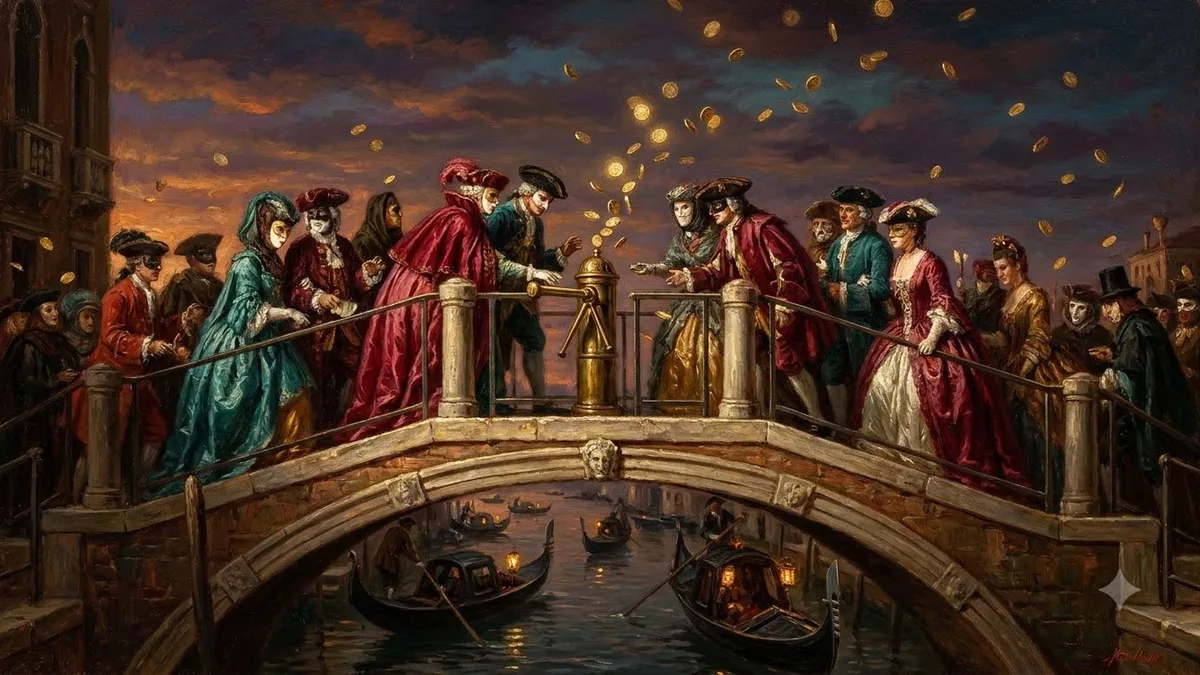
The Fee That Raised Millions and Barely Moved the Crowd
Economists credit Pigou with the congestion toll, but his famous two roads say something else, and Venice's day-tripper fee shows why the difference matters.
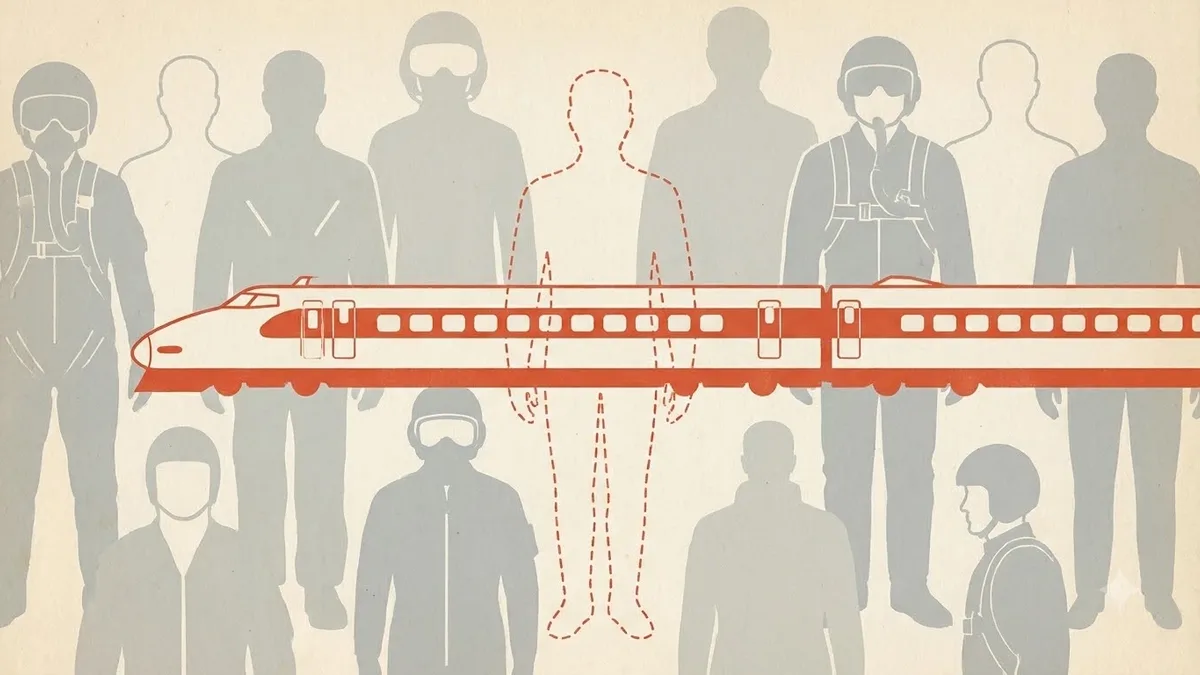
Nobody Rides the Average Train
An Air Force study found no average airman among thousands, and the same trap sits inside every average delay a planner reports.
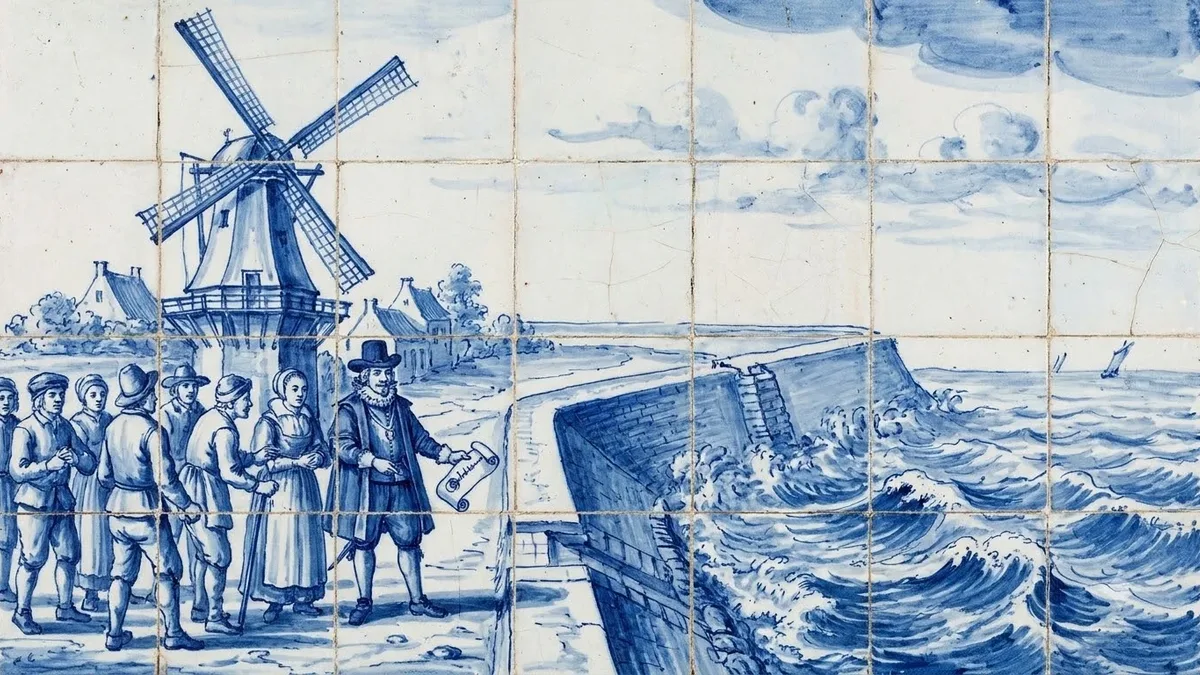
Who Pays for the Dike, and Who Gets a Vote?
A count's promise in 1255 and a king's writ in 1295 give the same rule for shared costs, and a Dutch water board shows how hard it is to keep.
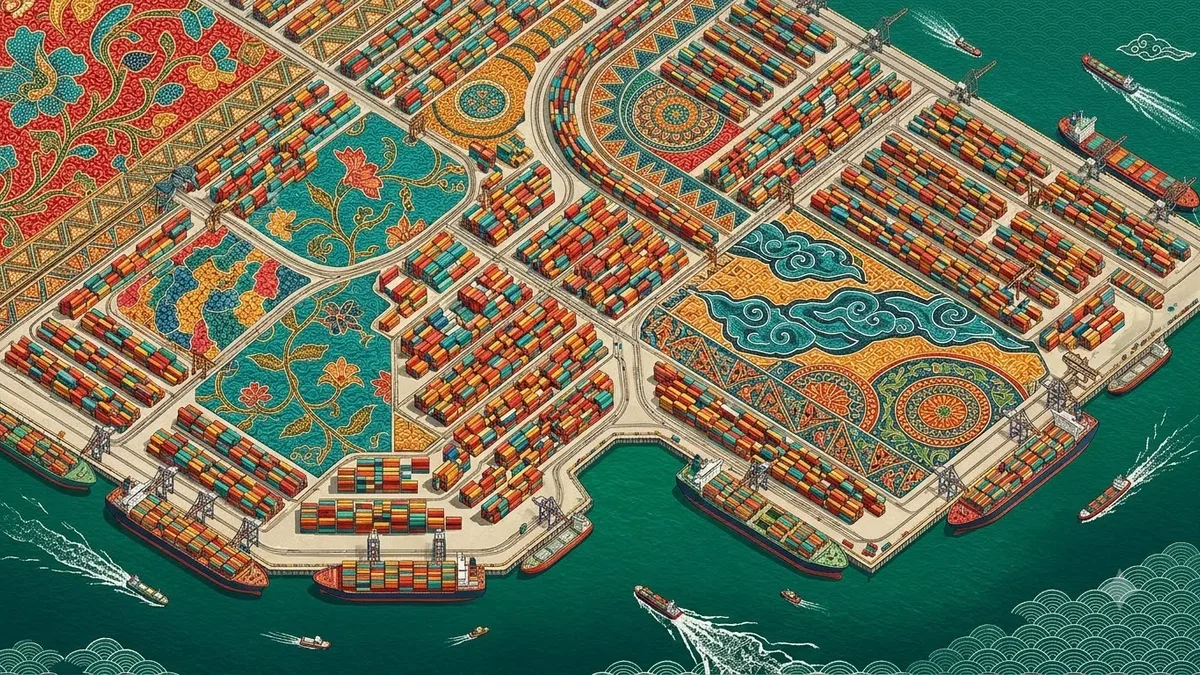
The Port Where Nine in Ten Boxes Only Change Ships
Singapore built a harbor out of other people's cargo, and the arithmetic that made it work also makes it a bet.

The Swiss Timed the Meeting Before the Trains
A rejected timetable draft became the rhythm of a country, and its rule is to fix the handover first and fit each step to it.
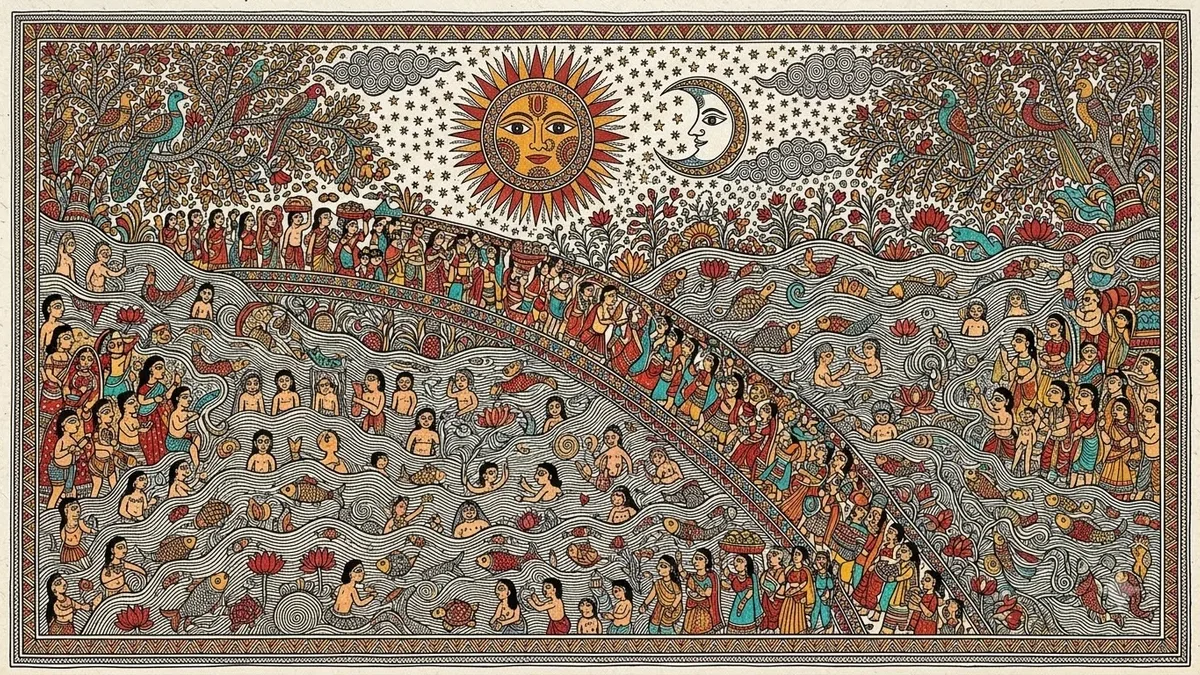
If the Average Day Is Fine, Why Did the Worst Day Fail?
The Kumbh Mela has a bathing day every planner can see coming years ahead, and in 1954 and again in 2025 the failures came on that day, with the counts still disputed.

The Map That Lies About Distance and Is Believed Anyway
Harry Beck deleted distance from the Tube map, and a study of London riders found that they trusted the map's distances over their own travel times.
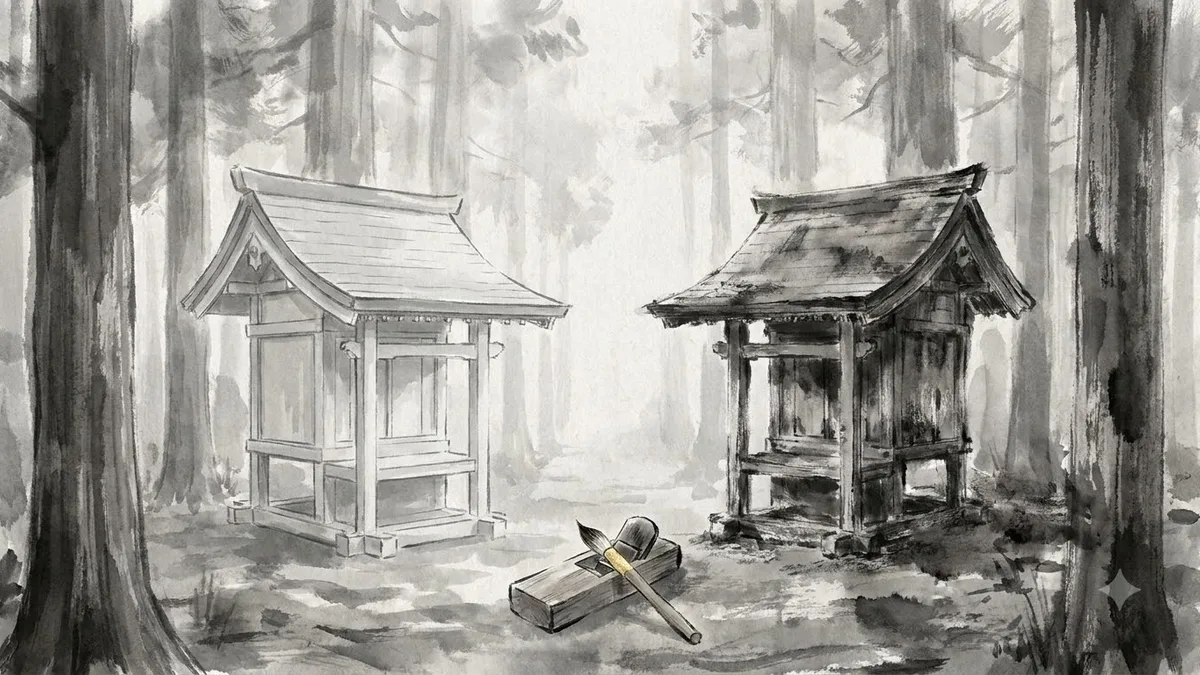
Is It Still the Same Shrine If Every Plank Is New?
Athens kept Theseus's ship by replacing its planks, and Ise renews its shrine on a fixed cycle; both raise the question a planner faces with an old model.
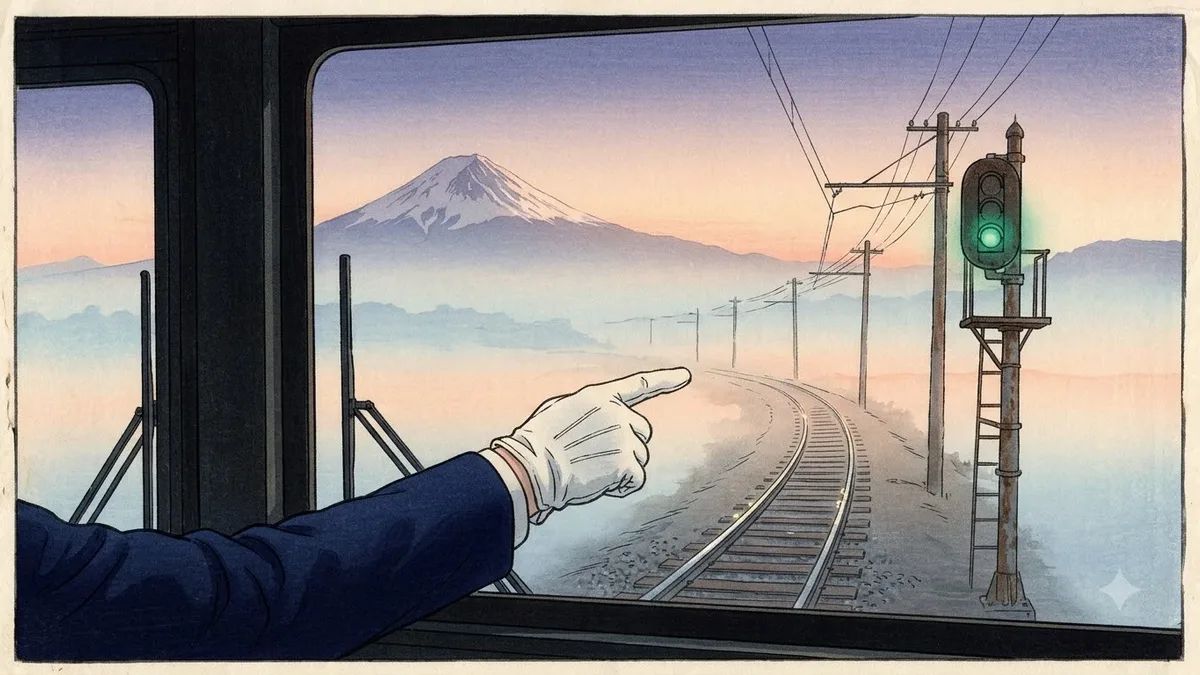
Why Say Aloud What You Can Plainly See?
Japanese rail crews point at a signal and name it, and the famous 85 percent claim behind the habit rests on a study I could not find.
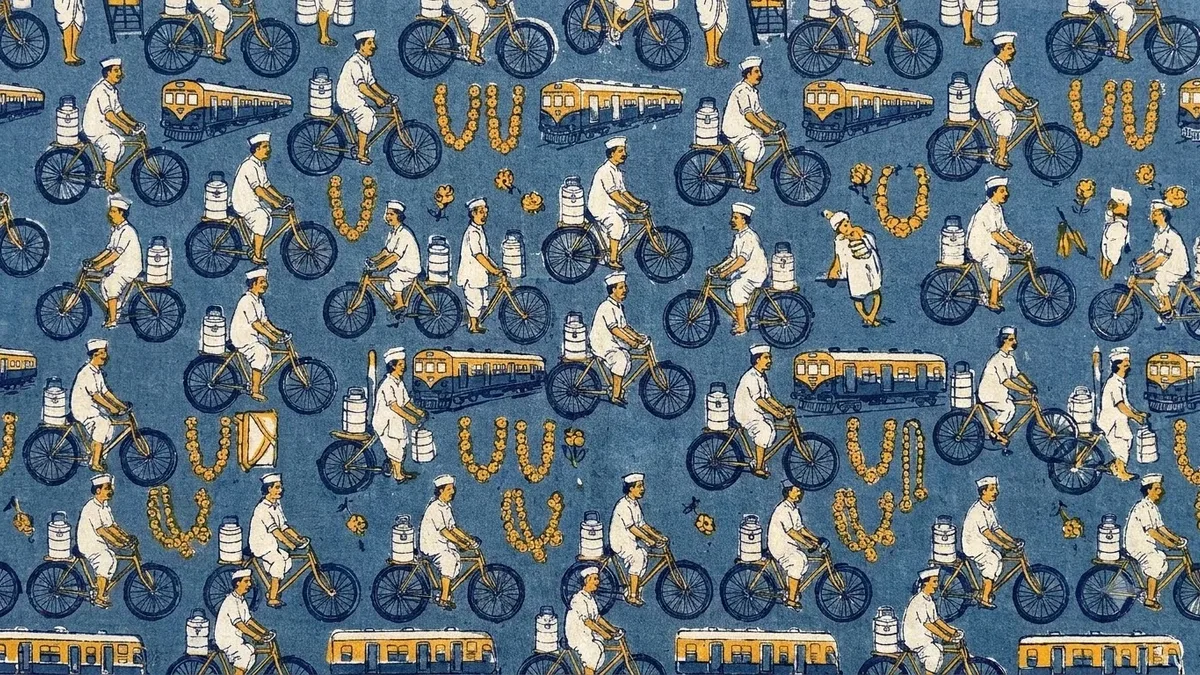
The Lunchbox Number Nobody Counted
Mumbai's dabbawalas are famous for a Six Sigma rating that one magazine article never gave them, and the trail of that number shows how a spoken answer turns into a statistic.

Margins
4 essays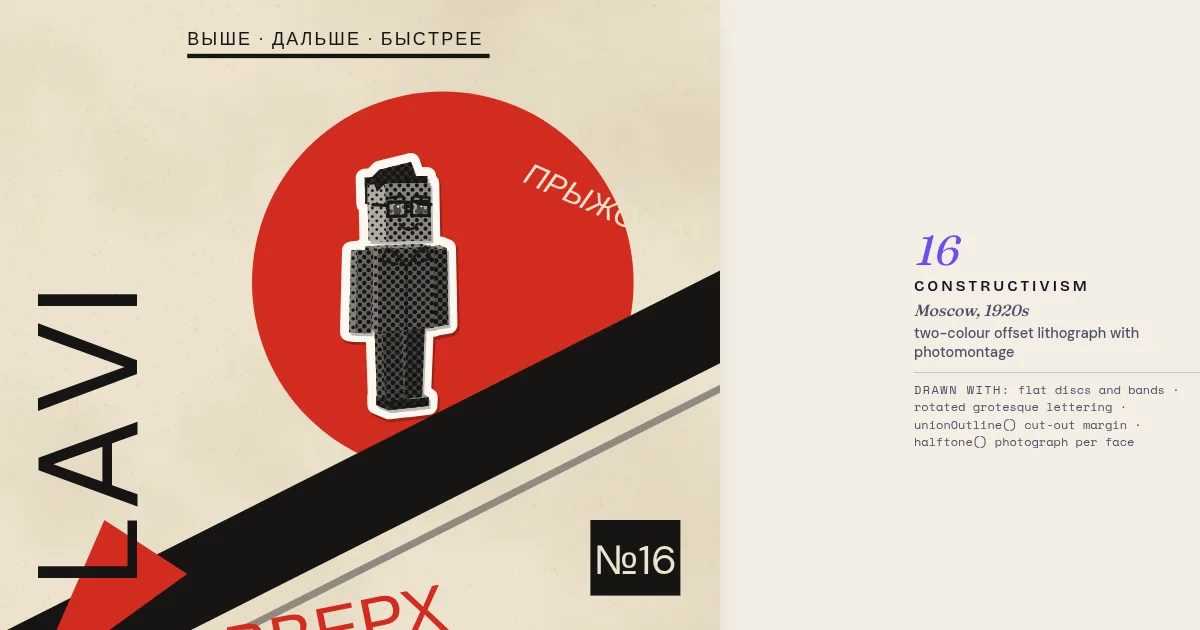
One Figure, Twenty Styles
I redrew myself in twenty visual styles, from a cave wall to a handheld screen, and every plate is code, not an image.

The Novel Is the Map
Four cities, four writers, and what's still standing when you go looking for the address.

The Quiet Ledger
The Stoics were describing your inbox.

Write back
I write when I’ve learned something. Every piece is dated, so you can see the rhythm for yourself.

When something’s worth sending.
I send these by hand, only when I’ve written something I’d want to read myself. No schedule, no sales.