Dota 2
 *
*Mechanics get you in. Plans win.
- Adapt to the team you get, not the one you wanted.
- Stay calm when it goes wrong.
- Know the objective (towers, Roshan, the base) and keep aiming at it.
Kills vs objectives
Watch which line moves.
Synthetic data, drawn to show the shape, not a real match.
Gold by position
Farm priority is allocation: gold the carry takes is gold the supports don't get.
Synthetic gold per minute for one standard game. The shape is typical; the numbers are illustrative. Hover, tap or use the arrow keys to read a minute.
Heroes
I play both sides of the farm-versus-space trade.
Carry
Sniper
Range and positioning: hit from where they can't reach you.
Juggernaut
Farms and fights on his own: the self-sufficient carry.
Death Prophet
Takes towers fast: the objectives hero.
Map control and support
Bounty Hunter
Track buys vision and gold for the whole team.
Spirit Breaker
Map presence: starts the fight where it helps most.
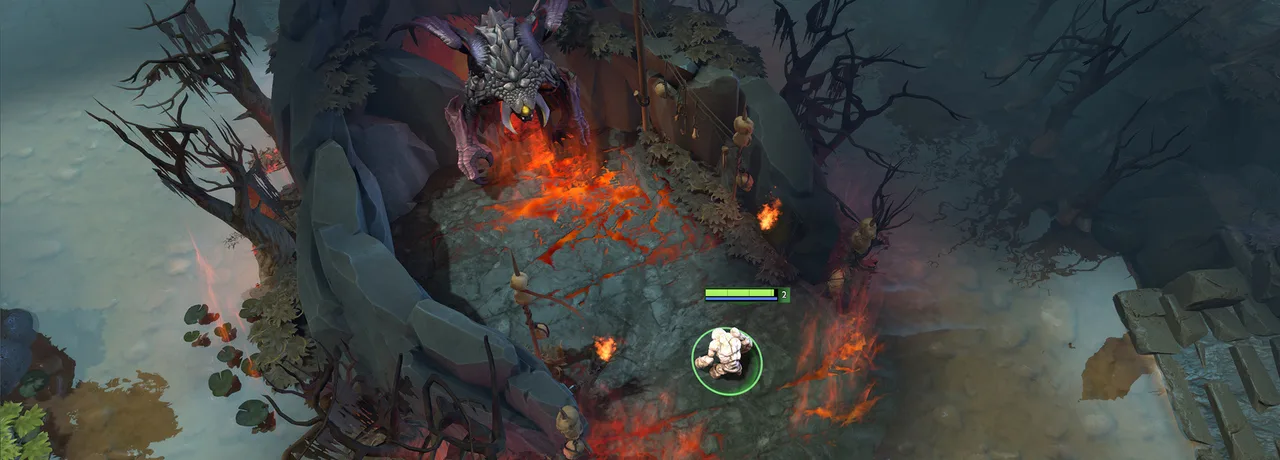
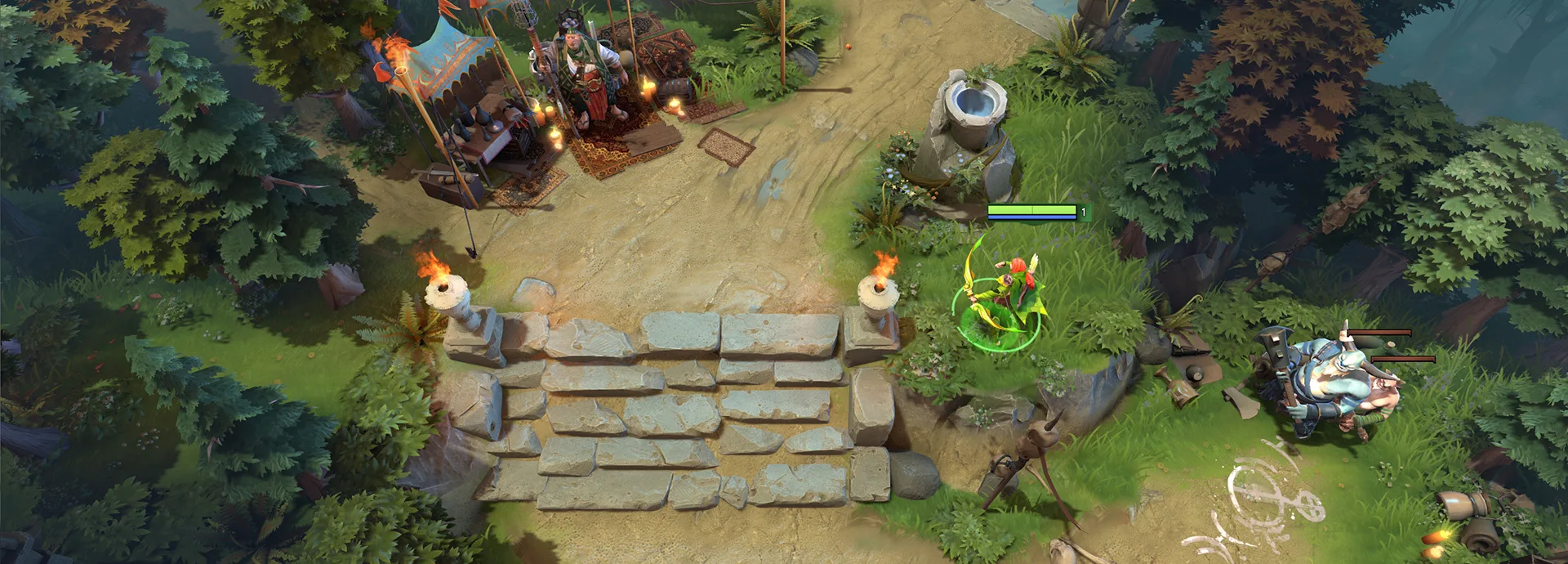
I started playing Dota 2 in 2013, and by now it's well over ten thousand hours. That number sounds like a confession, so let me say what those hours actually were: evenings with friends, a lot of losing, and slowly learning that the game isn't really about your hands.
I play two very different roles. As a carry I like Sniper, Juggernaut and Death Prophet. Sniper hits from where the enemy can't reach him, so the whole game is about positioning. Juggernaut farms and fights on his own. Death Prophet takes towers fast, which tells you what I came to care about. As a support I like Bounty Hunter and Spirit Breaker. Bounty Hunter's Track buys vision and gold for the whole team, and Spirit Breaker starts fights where they help most. Carry is about using resources well. Support is about giving them away so someone else can. Playing both taught me more about allocation than any course did.
The games I remember are the comebacks. Down 20–5, one hero finally clicks and the map turns. Or a long game we won quietly: four of us pull the enemy's attention while one goes for the base, and when it's time we all buy back and rush. Being behind on the scoreboard doesn't lose games. Being out of plan does.
Somewhere after my supply chain MBA and a few thousand hours of play, it clicked: mechanics get you into the game, but they don't win it. Winning is how you think, how you plan, and how you work with four strangers. You adapt to the team you get, not the one you wanted. You stay calm when it goes wrong. You know the objective (towers, Roshan, the base) and you keep aiming at it.
That's the part I carry into work. A planning team can have great numbers on a dashboard and still be losing, because it's chasing the wrong thing. Kills feel like progress. Objectives are progress.
I'm also a recovering sore loser. Getting agitated never won me a game. Tilt is the same thing that wrecks supply chains: overreacting to the last signal and making the next decision worse. The fix is the same in both places. Breathe, look at the whole map, and go back to the plan.
A dashboard full of activity is a scoreboard full of kills. Ask which number moves the win line.
* Dota 2 artwork and screenshots © Valve Corporation. Used for non-commercial fan commentary; not affiliated with or endorsed by Valve.